London Committee Declines Support for Good Neighbour Clause and Major Homeless Program Funding Changes
In a significant decision affecting housing-first initiatives in the city, London's Strategic Priorities and Policy Committee has opted not to back the proposed Good Neighbour Clause. The committee also rejected sweeping changes to the funding structures for key homeless support programs, London Cares and Project Home.
Advocates Present During Deliberations
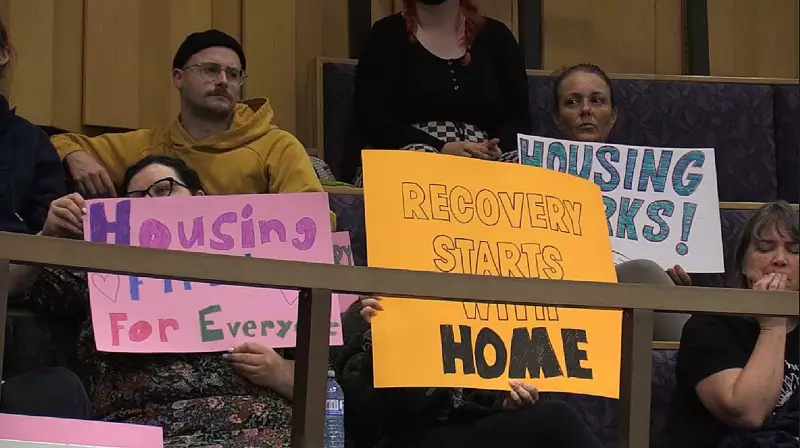
During the committee meeting held on January 26, 2026, advocates for housing-first programs were visibly present in the public gallery of council chambers, holding signs to emphasize their support for these critical services. The presence of these advocates highlighted the community's deep investment in finding sustainable solutions for London's homeless population.
Implications for Homeless Support Services
The committee's decision means that the current funding models for London Cares and Project Home will remain largely unchanged for the foreseeable future. These programs play essential roles in providing shelter, support, and resources to vulnerable individuals experiencing homelessness in the London area.

London Cares focuses on outreach and connecting people with necessary services, while Project Home operates as a housing-first initiative aimed at securing stable housing for those in need. The proposed funding adjustments would have potentially altered how these organizations allocate resources and deliver their services.
The Good Neighbour Clause Controversy
The Good Neighbour Clause, which was under consideration, aimed to establish guidelines for how homeless shelters and support services interact with their surrounding neighborhoods. Proponents argued it would foster better community relations, while critics expressed concerns that it might impose restrictive conditions on service providers.
By choosing not to endorse this clause, the committee has effectively paused any formal implementation of such neighborhood guidelines, leaving the matter open for future discussion and potential revision.
Broader Context of Housing Challenges
This decision comes at a time when many Canadian cities, including London, are grappling with increasing homelessness and affordable housing shortages. The committee's deliberations reflect the complex balancing act between supporting essential social services and addressing community concerns.
Advocates for housing-first programs emphasize that providing stable housing is the most effective approach to reducing homelessness long-term. They argue that consistent, adequate funding for initiatives like London Cares and Project Home is crucial to achieving this goal.
Looking Ahead
While the committee has not approved these specific changes, the conversation around homeless support services in London is likely to continue. Community stakeholders, including advocates, service providers, and residents, will need to engage in ongoing dialogue to develop solutions that address both immediate needs and long-term strategies for housing stability.
The decision represents a cautious approach to modifying established programs, suggesting that any future changes will require thorough consideration of their potential impacts on both service recipients and the broader community.