LaSalle's Ambitious Parks and Recreation Plan Sparks Funding Debate
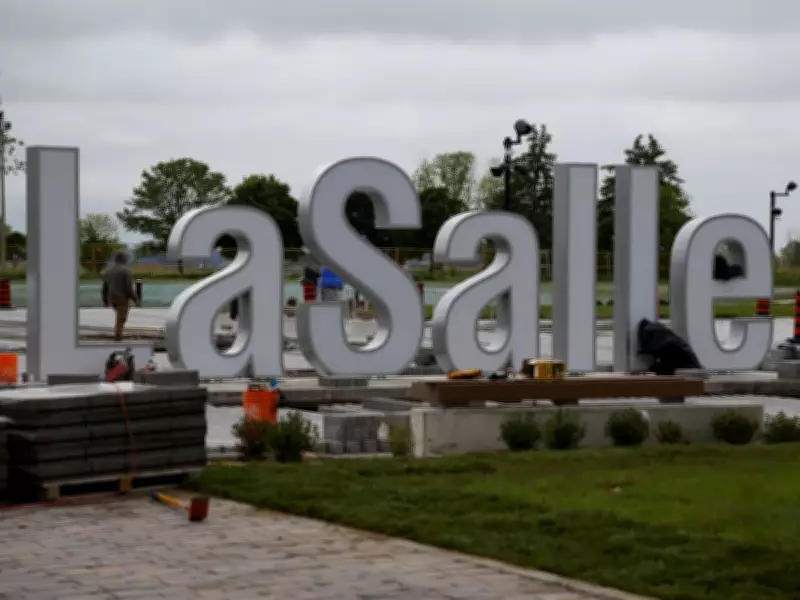
LaSalle's newly approved Parks, Recreation and Culture Master Plan has set forth an ambitious vision for the growing community's future, but significant questions about financial feasibility have emerged during council discussions. The comprehensive 20-year roadmap, approved last week, outlines extensive facility upgrades and service expansions that could transform the town's recreational landscape.
Community Priorities Shape Master Plan Recommendations
Extensive community feedback collected during the planning process revealed strong resident preferences for unstructured activities including parks, trails, and community events. The master plan identified particularly high demand for specific facilities including pickleball courts, gymnasiums, indoor swimming pools, sports fields, and expanded trail networks. Cultural programming also emerged as a priority, with residents expressing interest in enhanced art programs, concerts, live theatre productions, and museum experiences.
The master plan, presented to council by Dennis Kwan of Monteith Brown Planning Consultants, contains 67 specific recommendations organized across several key areas. These include indoor recreation and cultural facilities, outdoor sports and recreation infrastructure, parks and open spaces, trail networks, and community service delivery improvements. The document is intended to guide council decision-making as LaSalle continues its growth trajectory, though it commits no specific funding to any proposed projects.

Detailed Facility Expansion Timeline
The master plan proposes a phased approach to facility development, with significant expansions planned for the coming decades. By 2031, recommendations include expanding the Vollmer Complex with additional amenities such as a new gymnasium, enhanced fitness centre, walking track, multi-purpose rooms, and dedicated seniors' space.
Looking further ahead to 2037, the plan recommends adding a 25-metre indoor swimming pool, a third ice pad for hockey and skating activities, and improvements to existing pool and arena facilities. These expansions would significantly increase LaSalle's capacity for indoor recreational programming and competitive sports.
Strategic Land Acquisition for Future Growth
A particularly significant recommendation involves securing land within the Howard Bouffard Secondary Plan area, where much of LaSalle's future residential growth is projected to occur. The master plan suggests acquiring property for potential indoor community space that could include a library, activity rooms, and meeting facilities.
The Bouffard lands, as defined by the updated secondary plan approved in January 2025, are generally bounded by Normandy Street to the north, Howard Avenue to the east, Laurier Parkway to the south, and Malden Road to the west. This area is expected to eventually accommodate between 16,000 and 29,000 residents, making strategic planning for recreational infrastructure particularly important.
Additional Strategic Recommendations
Beyond specific facility expansions, the master plan includes several broader strategic recommendations:
- Adopting a parkland-first approach in the Bouffard area that prioritizes parkland dedication over cash-in-lieu payments from developers
- Focusing on active transportation infrastructure with expanded pathways and trail networks
- Ensuring accessible use of all town-owned recreation facilities
- Engaging Indigenous communities to utilize town facilities, parks, and trails
Council Concerns About Financial Realities
While most councillors received the master plan positively, Councillor Terry Burns expressed significant reservations about financial feasibility. Burns cautioned residents against developing unrealistic expectations for expanded or new facilities, noting that implementing the recommendations could require approximately $25 million annually over the next 10 to 15 years.
"It's out of the question," Burns stated bluntly during council discussions. Addressing the plan's vision for short-term improvements, he noted that "2031 is not that long away and to spend that kind of money that you're looking for, I don't want to give anybody in this room false hopes."

Drawing on his 28 years of council experience, Burns pointed out that LaSalle has "not been very successful... getting money for these types of projects" in the past. This historical context raises important questions about how the ambitious vision outlined in the master plan will align with municipal budget realities and funding opportunities over the coming decades.
The tension between community aspirations and financial constraints will likely shape ongoing discussions about which elements of the master plan receive priority as LaSalle moves forward with implementation planning.