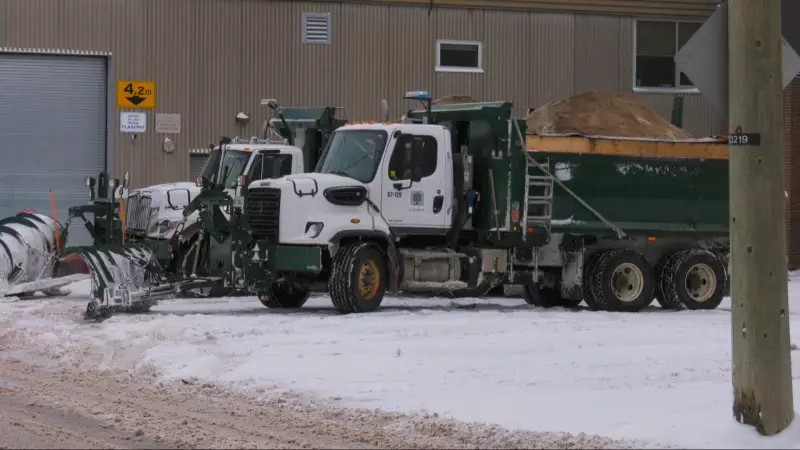
Lakeshore Municipality Adjusts Winter Road Maintenance Strategy
The Municipality of Lakeshore, located within the Windsor-Essex region, has implemented a reduction in its road salting operations as salt supplies become constrained. This strategic adjustment comes during a period of heightened winter weather activity across southern Ontario.
Supply Chain Pressures Prompt Operational Changes
Municipal officials have confirmed that tightening salt supplies have necessitated a more conservative approach to winter road maintenance. The municipality is now prioritizing salting on major arterial roads and high-traffic areas while reducing application on residential streets and less-traveled routes.
This measured response aims to extend available salt reserves throughout the remainder of the winter season while maintaining essential safety standards for motorists and pedestrians.

Essex County Maintains Standard Service Levels
In contrast to Lakeshore's situation, Essex County officials have reported that their winter maintenance operations continue unaffected. County road crews maintain standard salt application protocols across their jurisdiction, with sufficient supplies to handle current and anticipated winter weather conditions.
The discrepancy between municipal and county responses highlights how localized supply chain issues can create varying operational realities within the same geographic region.
Regional Weather Context and Safety Considerations
The operational adjustments come as Environment Canada has issued cold weather warnings across southern Ontario, with temperatures expected to remain well below seasonal averages. Municipal officials emphasize that while salt application may be reduced, other winter maintenance activities continue:
- Plowing operations remain at full capacity
- Sand application continues on slippery surfaces
- 24/7 monitoring of road conditions persists
- Emergency response protocols remain unchanged
Residents are advised to exercise additional caution when traveling on municipal roads and to allow extra time for their winter commutes. The municipality recommends that drivers adjust their winter driving habits, including reducing speeds and increasing following distances on potentially icy surfaces.
Long-Term Implications for Winter Maintenance
This situation raises broader questions about municipal preparedness for extreme weather events and supply chain resilience. Many municipalities across Canada are reevaluating their winter maintenance strategies in light of:
- Increasing frequency of extreme weather events
- Supply chain vulnerabilities for essential materials
- Environmental concerns about salt runoff
- Budgetary pressures on municipal operations
The Lakeshore experience may prompt other municipalities to review their own winter maintenance protocols and supply chain arrangements as climate patterns continue to evolve.