Halifax Councillors Call for Enhanced Policies on Dangerous Animals
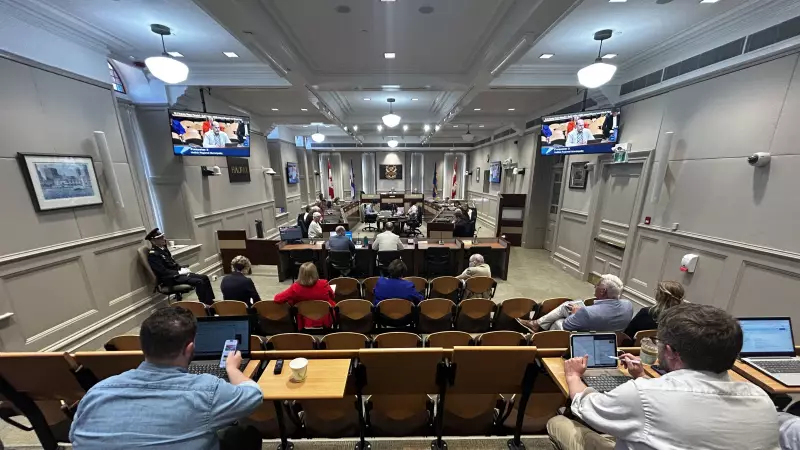
In a move aimed at bolstering public safety, Halifax councillors are pushing for stronger municipal policies regarding dangerous animals. The call for action comes amid growing concerns over incidents involving potentially hazardous pets and wildlife within the city limits.
Growing Concerns Over Public Safety
Councillors argue that current regulations may be insufficient to address the risks posed by certain animals, whether domestic or wild. They emphasize the need for clearer guidelines on ownership, containment, and response protocols to prevent harm to residents and property. This initiative reflects a broader trend in urban areas across Canada, where municipalities are increasingly scrutinizing animal control measures to ensure community well-being.
Proposed Policy Enhancements
The proposed policy changes could include:

- Stricter licensing requirements for owners of animals deemed dangerous, with mandatory training and insurance.
- Enhanced enforcement mechanisms to ensure compliance with existing bylaws, including increased fines and penalties for violations.
- Public education campaigns to raise awareness about responsible pet ownership and wildlife interactions.
- Improved reporting systems for incidents involving dangerous animals, facilitating quicker municipal response.
These measures aim to create a more proactive approach to animal management, rather than reacting to crises after they occur.
Broader Context and Community Impact
Halifax, as a growing urban centre, faces unique challenges in balancing animal welfare with public safety. The councillors' push aligns with efforts in other Canadian cities to update outdated bylaws and adapt to changing urban environments. By strengthening policies, Halifax hopes to mitigate risks while fostering a safer community for all residents, including pet owners and those who may encounter wildlife in urban settings.
This development underscores the importance of local governance in addressing public safety issues, with councillors taking a firm stance to protect their constituents. As discussions progress, stakeholders including animal rights groups, veterinary associations, and community members are expected to weigh in on the proposed changes.