

Essex Simplifies Access to Flood Protection Subsidies for Homeowners
The Town of Essex has taken significant steps to enhance community resilience against flooding by streamlining access to its flood mitigation subsidy program. In a move designed to remove bureaucratic hurdles, town council voted unanimously on Monday to eliminate the requirement for residents to obtain multiple quotes when applying for financial assistance for flood prevention improvements.
Removing Barriers to Flood Protection
Previously, Essex residents seeking subsidies for flood mitigation projects faced the administrative burden of securing at least two quotes for services such as installing backwater valves or sump pumps. According to Kevin Gerrard, Director of Infrastructure Services for Essex, this requirement had become "an impediment to use of the program" that discouraged participation from homeowners seeking to protect their properties.
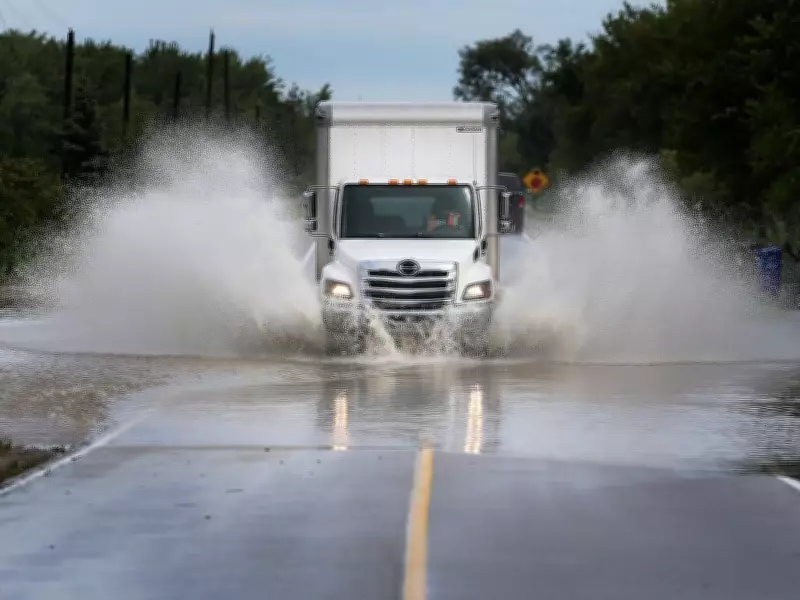
The policy change comes as Essex continues to grapple with the aftermath of two devastating flooding events in recent years. On August 23, 2023, catastrophic rainfall of up to 214 millimeters inundated the region, causing widespread basement flooding, road washouts, and power outages throughout Essex County. More recently, on September 24, 2025, another extreme weather event dumped approximately 190 millimeters of rain on Harrow over 24 hours, overwhelming drainage systems and flooding numerous properties.

Comprehensive Infrastructure Planning Underway
In addition to simplifying subsidy access, Essex has contracted a consultant to develop a long-term master drainage infrastructure servicing plan. This comprehensive assessment will evaluate existing system capacity, project future demand, and analyze performance under various growth and climate stress scenarios.
"The plan will provide the town with a comprehensive system-wide technical assessment of existing capacity, future demand and performance under both growth and climate stress scenarios," explained Gerrard during a recent council meeting.
The September 2025 storm produced rainfall intensities that "far exceed the design capacity of our drainage and sanitary system," according to Gerrard. While infrastructure generally performed as designed, the extreme volume caused widespread surcharging, localized road and basement flooding, and placed significant strain on drainage systems throughout the affected areas.
Subsidy Program Performance and Response
Since its inception in 2019, Essex's flood mitigation subsidy program has distributed approximately $32,754 in financial assistance to residents. The majority of these funds (60 percent) have supported backwater valve installations, while sump pump installations accounted for 33 percent of the subsidies awarded.
During the September 2025 flooding event, town staff responded promptly by mobilizing inspections, clearing drainage blockages, monitoring pump stations, and addressing resident service calls. The extreme weather conditions highlighted the critical importance of both municipal infrastructure and individual property-level protection measures.
The August 2023 flooding was particularly severe, marking the first time in history that the Colchester Lagoon System released partially treated sewage into Lake Erie to prevent total system failure. This unprecedented event underscored the urgent need for enhanced flood resilience throughout the region.
Encouraging Property-Level Protection
Essex officials continue to advise residents to take proactive steps to protect their properties from storm damage by improving flood infrastructure. The simplified subsidy program aims to make these protective measures more accessible and affordable for homeowners throughout the municipality.
The combination of streamlined subsidy access and comprehensive infrastructure planning represents Essex's multi-faceted approach to addressing increasing flood risks in an era of climate uncertainty. By removing administrative barriers and investing in long-term solutions, the town hopes to build greater resilience against future extreme weather events that have become increasingly common in recent years.






