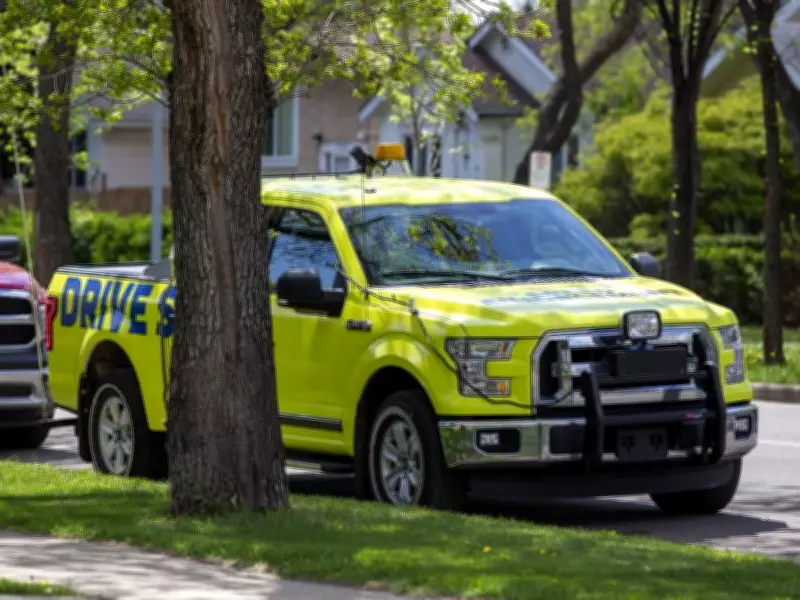
Edmonton Shifts to Property Taxes as Photo Radar Revenue Declines
The removal of photo radar in Edmonton has not only raised concerns about street safety but also created a significant financial gap, forcing the city to rely on property taxes to fund traffic safety initiatives. Mayor Andrew Knack emphasizes the need to re-engage in conversations about this contentious enforcement method.
Financial Impact of Provincial Changes
During a recent council meeting, financial managers explained that automated traffic enforcement revenue previously covered traffic safety costs, making the program revenue neutral. However, provincial amendments by the United Conservative Party, effective April 1, 2025, have severely restricted photo radar use. These changes limit enforcement to specific zones like playgrounds, schools, and construction areas, as well as red-light cameras at intersections.
Harm Rai, branch manager of Enterprise Commons, highlighted that these policy shifts are expected to cause a reserve deficit by the end of 2026. Revenue has declined sharply, prompting the city to seek alternative funding sources.

Mayor Knack's Perspective on Funding
Mayor Andrew Knack stated that the city has been gradually increasing property tax allocations to traffic safety in anticipation of declining fine revenues. He expressed discomfort with relying solely on property taxes for this purpose, advocating for a balanced approach that includes fine revenue from traffic violators to reinvest in safety measures.
Knack remarked, "I don't think our property taxes should exclusively fund traffic safety. I do think there's a component of fine revenue for those violating traffic safety rules. I'm comfortable with that going back into a reinvestment into traffic safety."Provincial Approval and Municipal Challenges
Under new provincial rules, municipalities must obtain permission to operate photo radar. Approval requires meeting strict criteria, such as demonstrating high collision rates or serious injuries at intersections. While Calgary has secured approval for three intersections, Edmonton has applied for enforcement at ten locations, with no updates provided yet.
This shift underscores broader debates over traffic enforcement funding and public safety priorities in urban areas.