Edmonton Launches Public Consultation for 2027-2030 Budget Planning
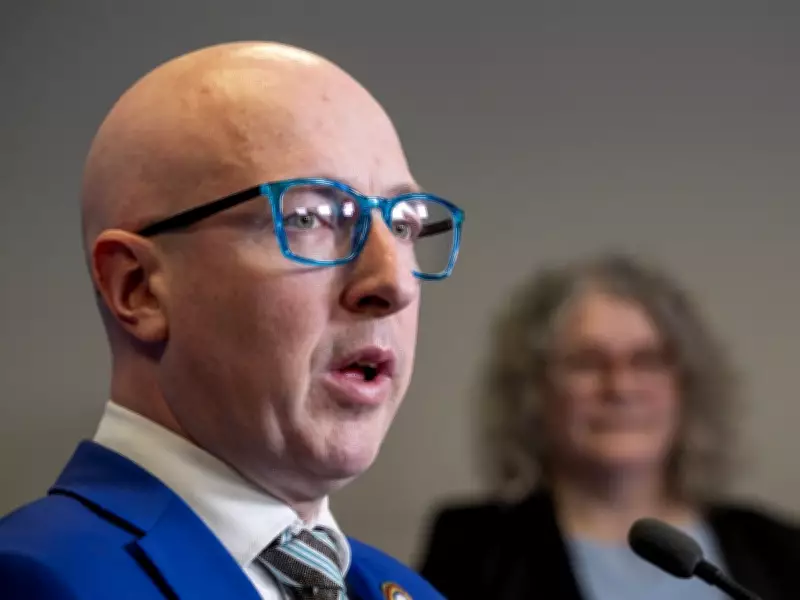
The City of Edmonton has officially commenced its public engagement process for the upcoming 2027-2030 budget, inviting residents to participate in shaping municipal financial priorities. Mayor Andrew Knack, alongside Chief Financial Officer Stacey Padbury, announced the initiative on Wednesday, March 25, 2026, highlighting a commitment to transparency and community involvement in fiscal decision-making.
Public Engagement Details and Timeline
The consultation window opened on March 23 and will remain active until May 1, providing Edmontonians with ample opportunity to voice their opinions on spending and taxation. Mayor Knack emphasized the importance of resident participation, stating that this process will create a clear framework for accountability, allowing citizens to see how council decisions translate into real-world outcomes. "Council is doing a few things differently to support the decision-making on this budget, all with the goal of making the process more transparent and accessible," Knack explained.
City administration will carefully consider the input gathered during this engagement period as they develop the budget recommendations, which are scheduled to be presented in the fall.

Town Hall Sessions and Feedback Channels
To facilitate public input, each of Edmonton's wards will host a town hall session, led by the respective councillor and Mayor Knack. These sessions aim to educate residents on city finances and collect feedback on key issues. For those unable to attend their ward's meeting, the city has established an online platform at engaged.edmonton.ca/budget where feedback can be submitted electronically. Additionally, pop-up sessions will be held at various locations throughout Edmonton to maximize accessibility.
Budget Priorities and Financial Challenges
Council has identified four broad priorities for the budget: economic development, growth management, quality services, and safety. However, the city faces significant financial pressures that must be addressed. A primary concern is eliminating $42.2 million in structural budget variances that have been depleting the financial stabilization reserve—an emergency fund for unexpected expenses. This reserve has dwindled since the COVID-19 pandemic, currently standing at $87.4 million, which is just over half of its target balance of $150 million. Although council injected $19 million from a 2025 budget surplus, the fund remains under pressure.
Other pressing financial issues include:
- A growing infrastructure deficit due to decades of expansion, with $2.8 billion needed to renew $39.8 billion in city assets, a cost expected to rise with inflation.
- Departments operating with aging or poorly maintained equipment and infrastructure.
- Proposed overhauls to services such as snow removal and the potential resumption of weekly trash pickups.
- The necessity of constructing six new fire halls to serve emerging neighbourhoods.
External Factors and Outreach Costs
Some of Edmonton's financial struggles stem from external factors, such as provincial legislation changes. For instance, traffic enforcement became non-revenue neutral after the United Conservative Party removed the city's ability to use photo radar for traffic safety. Additionally, Edmonton currently spends the least on public outreach compared to other major Canadian cities, indicating a need for increased investment in community engagement efforts.
This comprehensive consultation process underscores the city's effort to involve residents in critical financial planning, ensuring that the 2027-2030 budget reflects community needs while addressing ongoing fiscal challenges.