Edmonton's Infill Bylaw Debate Intensifies as Council Vote Looms Next Week
The ongoing discussion surrounding Edmonton's proposed infill development bylaw has reached a critical juncture, with city councillors scheduled to cast their votes on the matter next week. This decision comes after extensive public consultations and heated debates that have highlighted the complex balance between urban growth and neighborhood preservation.
Background of the Controversial Proposal
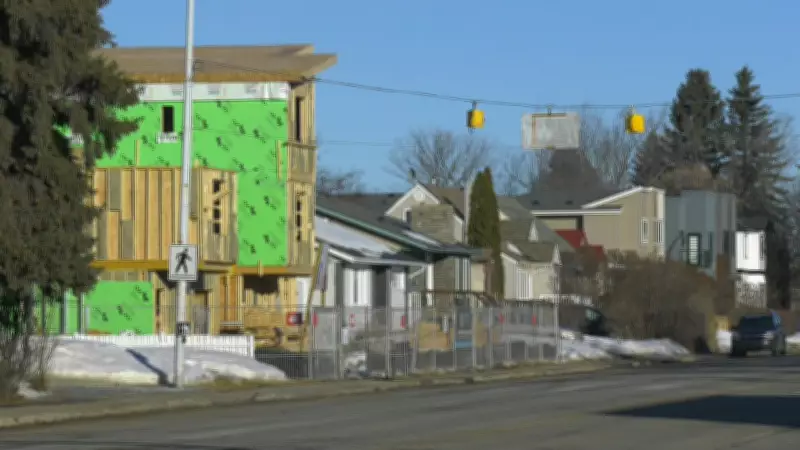
The infill bylaw represents a significant attempt by municipal authorities to regulate the increasing number of residential developments within established communities. These projects typically involve constructing new housing units on underutilized lots or replacing older structures with denser alternatives. Proponents argue that such developments are essential for accommodating Edmonton's growing population while making more efficient use of existing infrastructure.
However, opponents have raised valid concerns about the potential impacts on neighborhood character, parking availability, and green space preservation. The debate has revealed deep divisions within communities, with some residents welcoming increased density as a path to more vibrant neighborhoods, while others fear it might compromise the qualities that initially attracted them to their areas.

Key Issues Under Consideration
Several critical elements are at the heart of the infill bylaw discussion:
- Building Height and Setbacks: Proposed regulations would establish new limits on how tall infill structures can be and how far they must be set back from property lines.
- Parking Requirements: The bylaw addresses concerns about increased vehicle density by potentially adjusting parking space mandates for new developments.
- Design Standards: Specific architectural guidelines aim to ensure new constructions complement existing neighborhood aesthetics.
- Tree Preservation: Provisions for protecting mature trees during construction have become a particularly contentious aspect of the proposal.
The Path Forward
As the decision date approaches, city councillors face the challenging task of weighing competing interests. The outcome will likely set important precedents for how Edmonton manages its urban growth in coming years. Municipal planning experts suggest that whatever decision emerges will need to balance the city's housing needs with legitimate community concerns about quality of life and neighborhood preservation.
The vote represents more than just a regulatory decision—it reflects broader questions about Edmonton's urban identity and how the city will evolve to meet twenty-first century challenges. With housing affordability remaining a pressing concern across Canada, Edmonton's approach to infill development could offer valuable insights for other municipalities grappling with similar issues.