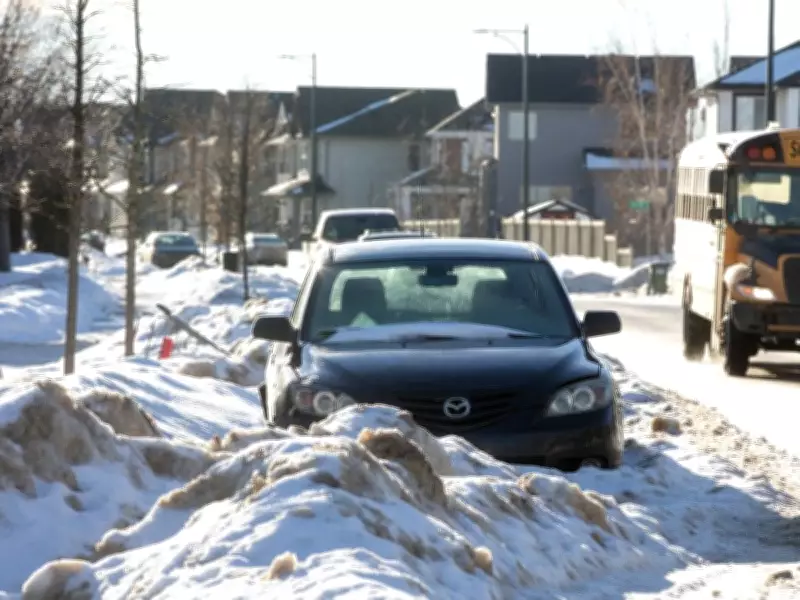
Edmonton Budget Debate: Prioritizing Snow Removal Over Non-Essential Spending
Edmonton city councillors are currently grappling with a pressing question that has emerged from this winter's challenges: How much are residents willing to pay to prevent a recurrence of this year's snow removal difficulties? However, columnist Lorne Gunter argues this is the wrong question entirely.
The Real Question: Cutting Non-Essential Spending
According to Gunter, councillors should instead be asking what they and city administration can eliminate from less critical departments to properly fund the essential service of snow clearing in a winter city like Edmonton. The debate has intensified following Mayor Andrew Knack's recent shift in position on residential street clearing.
Mayor Knack has recently become an enthusiastic advocate for comprehensive snow removal, including eliminating windrows from residential streets. While this stance aligns with resident frustrations, Gunter notes the mayor's timing appears reactive rather than proactive.

Timing and Tax Implications
Earlier this month, while Mayor Knack was on a trade mission to Harbin, China, Edmontonians struggled with snow-choked residential streets. Upon his return, presumably after hearing constituent complaints, Knack has transformed into what Gunter describes as "Mr. Plow."
The timing coincides with city administrators proposing a 44 percent property tax increase over the next decade to fund improved infrastructure, including expanded LRT and bike lanes. While some infrastructure needs are legitimate—such as building new fire stations to serve Edmonton's 40 percent population growth since 2010—Gunter questions other spending priorities.
Questionable Spending Priorities
Gunter highlights several areas where he believes Edmonton could redirect funds toward snow removal:
- Continuing to purchase underperforming electric buses instead of reliable diesel models
- Spending over $300 million annually on "climate mitigation" initiatives
- Maintaining what he calls the "disastrous development" at Blatchford
"Council should stop raising taxes for pie-in-the-sky initiatives and reroute the money to the very practical (if unglamorous) activity of snow clearing," Gunter argues.
Learning from Other Cities
In an unusual comparison, Gunter points to Toronto as having superior snow clearing operations because they prioritize action over excessive deliberation. While not typically held up as a model for Edmonton, Toronto's approach demonstrates that effective snow management requires decisive prioritization of essential services.
The fundamental issue, according to Gunter, isn't how much more taxpayers should pay for improved snow removal, but rather how city council can reallocate existing resources from less critical areas to fund this essential winter service properly.