

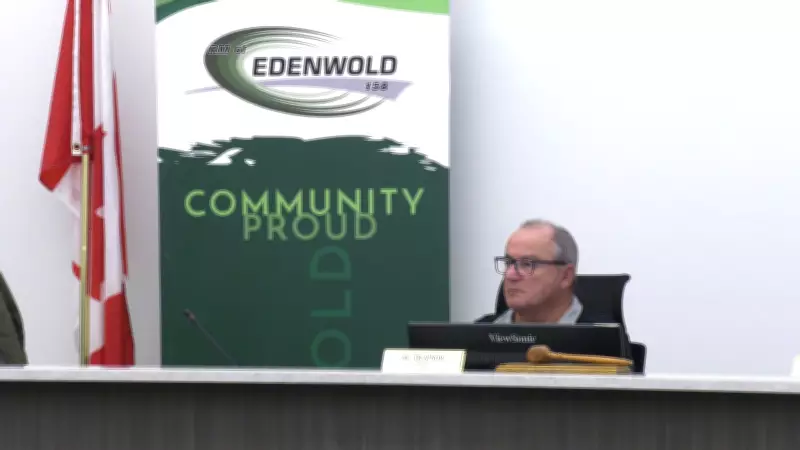
Edenwold Ratepayers Mobilize Against Proposed Bylaw Amendment
Ratepayers in the Rural Municipality of Edenwold are mounting opposition to a proposed bylaw amendment that could potentially open the door for data center development within their community. Residents are calling on municipal council to reject the amendment, expressing concerns about its implications for local infrastructure, environment, and quality of life.
Community Concerns Over Data Center Potential
The specific details of the bylaw amendment remain under discussion, but ratepayers fear it could create regulatory pathways for large-scale data center operations. Such facilities typically require significant energy consumption, water resources, and land use, raising questions about their compatibility with Edenwold's rural character and existing municipal services.
Reeve Al Trainor has presided over council meetings where the matter has been debated, though the municipality has not yet released an official statement regarding the amendment's specific provisions or timeline for decision-making.

Broader Context of Municipal Planning
This local dispute occurs amid wider discussions about industrial development in Saskatchewan municipalities. While data centers can bring economic investment and technological infrastructure, they also present challenges related to power grids, water management, and community integration that many rural areas must carefully consider.
The ratepayers' campaign reflects growing public engagement in municipal governance, particularly regarding land use decisions that could significantly alter community character. Their call for council to "just say no" suggests they view the potential risks as outweighing any possible benefits.
Next Steps for Edenwold Council
Municipal officials must now balance competing interests as they consider the amendment. The council faces pressure from concerned residents while potentially weighing economic development opportunities that data centers might represent for the region.
No public hearing date has been announced, but ratepayers are expected to continue their advocacy as the decision process moves forward. The outcome could set important precedents for how rural municipalities in Saskatchewan approach similar development proposals in the future.






