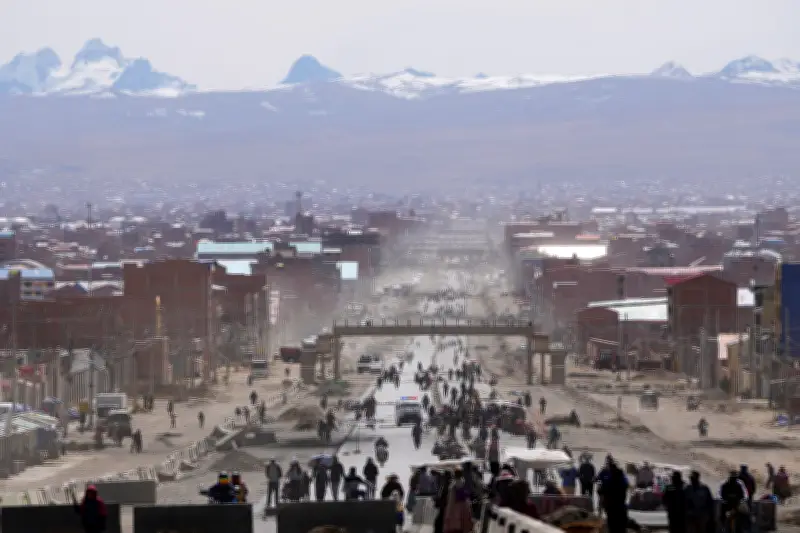
Bolivia's President Rodrigo Paz declared a state of emergency on Saturday, June 20, 2026, authorizing the military to dismantle road blockades that have severely disrupted the supply of essential goods across the country. The decree, announced in a televised address, grants armed forces the power to clear highways and restore the flow of food, fuel, and medicine to affected regions.
Blockades Paralyze Key Routes
The blockades, organized by protest groups demanding policy changes, have paralyzed major highways connecting Bolivia's highlands with lowland agricultural and industrial zones. According to the Bolivian government, over 200 roadblocks were set up nationwide, leading to shortages in major cities including La Paz and Santa Cruz. The disruptions have caused prices of basic goods to spike by up to 30% in some areas, according to local media reports.
Military Intervention Authorized
President Paz said the emergency measure is necessary to protect public order and ensure the right to free movement. "We cannot allow a minority to hold the country hostage," he stated in his address. The military has been instructed to use proportional force to reopen roads, though officials emphasized that dialogue with protest leaders remains a priority. The state of emergency is initially set for 30 days but could be extended.

Economic and Social Impact
The blockades have already cost the Bolivian economy an estimated $50 million in lost trade and productivity, according to the Chamber of Commerce. Hospitals have reported shortages of medical supplies, and fuel stations in several departments have run dry. The government has deployed police to protect critical infrastructure and escort supply convoys. Human rights groups have expressed concern over the military's role, urging restraint and respect for civilian rights.
Background of the Protests
The protests stem from disputes over agricultural subsidies and land rights, with indigenous and farming communities demanding greater support from the central government. Previous attempts at negotiation failed, leading to the escalation. The state of emergency marks the first such declaration under Paz's administration, which took office in 2025.