Alberta Municipality Implements Ban on Decorative Flags and Crosswalks from Public Property
In a move that has ignited community discussion, a town in Alberta has officially passed a bylaw prohibiting the display of decorative flags and the painting of crosswalks on government-owned land. This decision, enacted on March 25, 2026, aims to regulate public spaces under municipal control, though it has raised questions about the balance between local governance and individual expression.
Details of the New Regulation
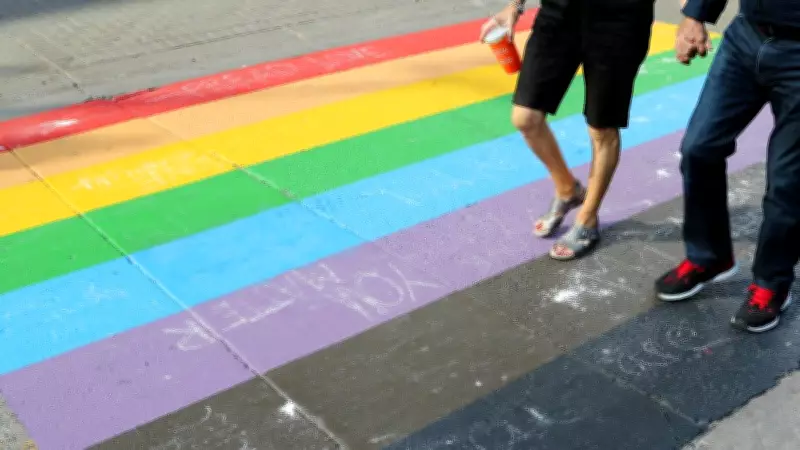
The bylaw specifically targets non-standard flags and artistic crosswalks, such as those featuring Pride colors or other symbolic designs, which have become common in many Canadian communities. According to the regulation, only official municipal, provincial, or national flags will be permitted on government property, and crosswalks must adhere to standard safety markings without decorative elements.
This policy shift comes amid broader national conversations about municipal authority and the use of public land for symbolic purposes. Proponents argue that the bylaw ensures consistency and neutrality in government spaces, potentially reducing administrative burdens and conflicts over contentious symbols. However, critics contend that it may stifle community identity and support for social causes, as seen in past instances where Pride flag crosswalks have been celebrated as symbols of inclusivity.

Context and Implications
The bylaw reflects a growing trend among some municipalities to assert control over public aesthetics and messaging. In Alberta, where local governments often grapple with diverse community interests, this measure could set a precedent for other towns considering similar restrictions. It also intersects with ongoing debates about freedom of expression and the role of government in curating public spaces.
While the town has not disclosed specific enforcement mechanisms, the bylaw is expected to apply to all government-owned areas, including parks, streets, and municipal buildings. Residents and organizations may need to seek alternative venues for displaying decorative flags or creating artistic crosswalks, potentially shifting such expressions to private property.
As this story develops, it highlights the complex dynamics between municipal policy and community values in Alberta. The bylaw's implementation will likely be monitored for its impact on local culture and public discourse, with potential legal or social challenges on the horizon.