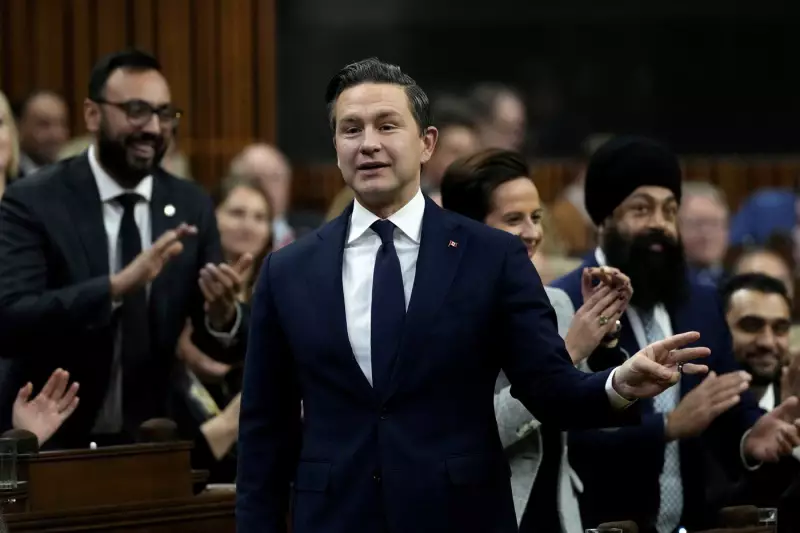
Conservative Leader Pierre Poilievre has escalated a political battle over energy infrastructure, introducing a motion designed to force a vote in the House of Commons on a contentious pipeline agreement between Ottawa and Alberta.
Motion Aims to Force Parliamentary Showdown
The procedural move, tabled on December 5, 2025, seeks to bring the agreement directly before MPs for debate and a formal vote. This strategy by the Official Opposition is a clear attempt to increase scrutiny on the Liberal government's handling of the file and to put individual parliamentarians on the record regarding their stance.
While the specific details of the pipeline pact were not reiterated in the motion's announcement, the core fact remains: the Conservative caucus, under Poilievre's leadership, is leveraging parliamentary tools to challenge the government's approach. The motion comes amidst a busy parliamentary schedule and a landscape of other regional issues, from FIFA World Cup planning in Toronto to provincial disputes over school trustees in Ottawa.

Poilievre's Strategic Pressure Play
This action is consistent with Pierre Poilievre's political style, which often focuses on economic and resource development issues central to Conservative party messaging. By forcing a vote, the Conservatives aim to highlight divisions or perceived weaknesses in the government's support for Alberta's energy sector.
The motion was introduced just days after Poilievre was actively participating in Question Period on Wednesday, December 3, 2025, as documented in parliamentary coverage. The timing underscores a coordinated effort to keep the pipeline agreement in the political spotlight.
Broader Context of Federal-Alberta Relations
This parliamentary maneuver does not exist in a vacuum. It intersects with ongoing tensions between the federal government and Alberta on a range of policies, including environmental regulations and economic support. The motion's success in forcing a vote could have symbolic significance, potentially influencing public opinion and rallying the Conservative base.
The outcome of such a vote, while likely following party lines given the current minority parliament, would serve as a formal statement from the elected chamber. It represents a key tactic in the opposition's playbook to hold the government accountable and shape the national conversation on energy and intergovernmental relations.