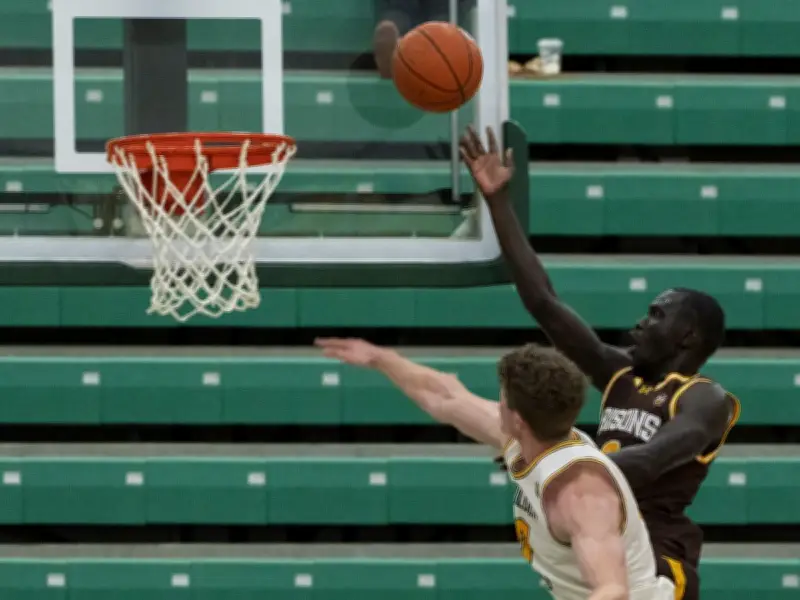
William Watson argues that Canadian universities should resist the trend of paying intercollegiate athletes, a practice spreading among high-profile U.S. schools. The shift in the United States, driven by court decisions and revenue sharing, turns student-athletes into professionals, which Watson believes undermines the educational mission of universities.
The Joke That Isn't Funny Anymore
An old joke from the 1970s quipped, “I went to a fight the other day and a hockey game broke out.” Today, with fewer fights in the NHL, the joke has lost its relevance. A modern version might be: “I went to a professional football game and a university appeared,” though faintly, as if through a beer glass, darkly. This joke currently applies only in the United States, where star university athletes can now earn substantial sums due to a series of court rulings.
The Rise of Paid College Athletes
In 2025, the lowest-ranked player on Sporting News’ list of the 30 highest-paid college footballers—a Notre Dame running back—earned $1.5 million, surpassing the salary of Notre Dame’s president, a priest who donates his income. This transformation stems from a California court ruling in 2019 that allowed athletes to profit from their name, image, and likeness (NIL). Many now do, and schools are also sharing revenues directly with players. Easier transfer rules have created a free-agent market: the University of Michigan won the 2026 men’s national basketball championship with a starting lineup of five transfer players.

The Historical Evolution of College Sports
University sports began with students playing intramurally for fun. Schools then competed against each other, with professors and alumni volunteering as coaches. McGill and Harvard played two rugby games in 1874 that introduced intercollegiate football to the U.S. Not until 1901 did the Harvard Athletics Association, independent and alumni-funded, first pay a coach—by then, Harvard had already won three national football championships.
Over time, alumni wealth, radio, and television coverage funneled money into mass-appeal college sports. Leading programs compensated players with full scholarships, room, and board, and occasionally under-the-table cash and cars. The hypocrisy of major programs profiting from amateur athletes fueled reform, turning athletes into pros. However, Harvard economists David Cutler and Edward Glaeser note that, on balance, U.S. college sports lose money.
Lessons from University History
Cutler and Glaeser trace universities from medieval guilds of professors to today, highlighting a tension between faculty and financial overseers. Tenure, they argue, emerged to attract quirky researchers without paying market salaries. As Gilded Age philanthropy expanded college building, professors ceded power to boards. This dynamic suggests that prioritizing sports revenue can shift institutional focus away from academics.
Why Canadian Universities Should Resist
Canadian universities have not yet adopted the U.S. model, and Watson argues they should keep it that way. Paying athletes would create financial strains, as most college sports programs already operate at a loss. Moreover, it would blur the line between education and entertainment, potentially devaluing academic credentials. Instead, universities should emphasize the original purpose of intercollegiate sports: fostering teamwork, discipline, and school spirit within an educational framework.
Watson concludes that Canadian institutions should learn from U.S. experiences and avoid the pitfalls of professionalizing college athletics, preserving the integrity of both sports and scholarship.