In the complex and often harrowing world of domestic violence cases, a troubling pattern frequently emerges: victims who initially report abuse later ask for criminal charges to be withdrawn. This phenomenon, while perplexing to outsiders, stems from a web of psychological, economic, and systemic factors that leave many survivors feeling trapped and powerless.
The Multifaceted Reasons Behind Charge Withdrawals
Experts and advocates point to several key reasons why victims of domestic violence may seek to drop charges against their abusers. Fear of retaliation is a primary driver, with many survivors worrying about escalated violence or threats to themselves or their children if they pursue legal action. Financial dependence also plays a critical role, as victims who rely on their abuser for housing, income, or support may see prosecution as a path to destitution.
Systemic Pressures and Emotional Bonds
The justice system itself can inadvertently pressure victims to withdraw charges. Lengthy court processes, repeated testimonies, and invasive questioning can retraumatize survivors, leading them to opt out. Additionally, emotional bonds and hope for reconciliation often persist, with victims believing their partner will change or seeking to preserve family unity, especially when children are involved.

Community stigma and lack of support further complicate matters. Victims may face blame or disbelief from friends, family, or their cultural community, isolating them and making legal pursuit seem untenable. In some cases, inadequate protection from law enforcement or shelters leaves survivors feeling unsafe to proceed.
Recent Context and Broader Implications
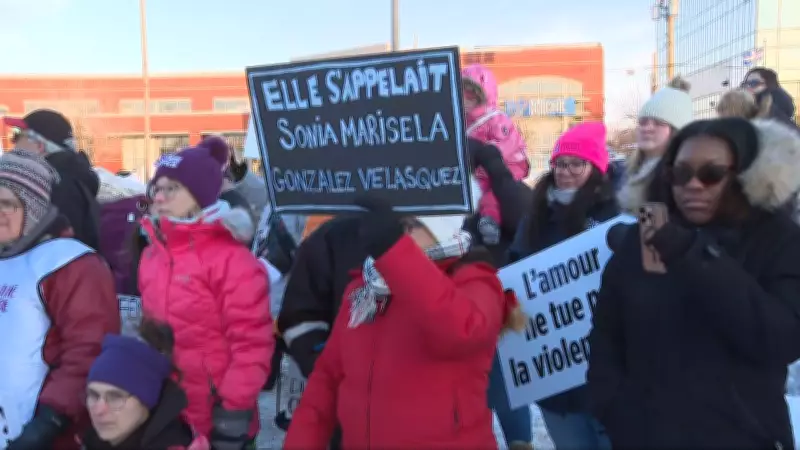
This issue has gained renewed attention amid tragic events, such as the killing of Sonia Maricela Gonzalez Vasquez in Brossard, allegedly by her spouse who then died by suicide. Such cases underscore the lethal risks when domestic violence escalates unchecked. While not directly related, other news highlights societal violence, like the Tumbler Ridge mass shooting, reminding us of the pervasive nature of aggression in various forms.
In Montreal and beyond, addressing this challenge requires a multifaceted approach. Enhanced victim support services, including counseling, financial aid, and safe housing, are crucial. Legal reforms that reduce victim burden in prosecutions, such as evidence-based prosecutions that proceed without victim testimony, could also help. Public education campaigns to reduce stigma and promote early intervention are vital for prevention.
Moving Forward: A Call for Compassion and Action
Understanding why domestic violence victims withdraw charges is not about excusing abusers but about recognizing the immense barriers survivors face. It calls for a justice system that prioritizes victim safety and autonomy, offering alternatives to traditional prosecution when needed. As communities grapple with these issues, from Montreal to nationwide, the goal must be to create environments where victims feel empowered to seek justice without fear of further harm.
Ultimately, breaking the cycle of domestic violence requires societal commitment to support survivors at every stage, ensuring that charges are not withdrawn out of desperation but from a place of genuine choice and security.