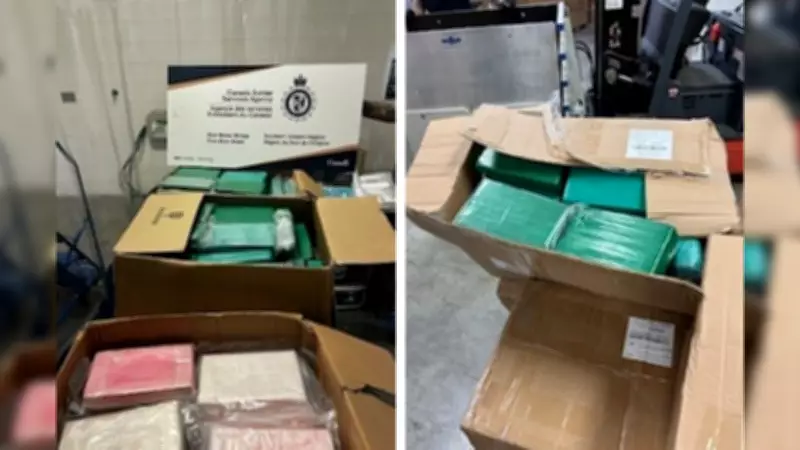
Two Arrested After Border Officers Uncover Massive Cocaine Haul in Commercial Truck
In a significant drug interdiction operation, border officers at the Blue Water Bridge in Sarnia, Ontario, have seized more than 111 kilograms of cocaine from a commercial truck, resulting in the arrest of two individuals. The incident, which occurred on February 19, 2026, underscores the ongoing challenges and efforts in combating cross-border drug trafficking.
Details of the Seizure
The Canada Border Services Agency (CBSA) reported that officers conducted a routine inspection of the commercial vehicle, leading to the discovery of the illicit substance. The cocaine, with an estimated street value in the millions of dollars, was concealed within the truck's cargo. This seizure is one of the largest in recent years at this border crossing, highlighting the sophisticated methods used by traffickers.
The CBSA emphasized that such operations are critical to disrupting organized crime networks and protecting public safety. The agency has not released the identities of the arrested individuals, but they are facing charges related to drug importation and possession for the purpose of trafficking.

Context and Implications
This event comes amid a broader national focus on border security and drug enforcement. Authorities have noted an increase in attempts to smuggle narcotics through commercial transport channels, prompting enhanced screening measures. The Blue Water Bridge, a key entry point between Canada and the United States, is often targeted due to its high traffic volume.
Law enforcement agencies are collaborating to investigate the origins and intended destination of the cocaine, with potential links to international drug cartels under scrutiny. The seizure is expected to have a ripple effect on local and national drug markets, potentially reducing availability and increasing prices.
Broader Impact on Community and Policy
The arrest and seizure have sparked discussions about resource allocation for border security and the need for continued investment in technology and personnel. Community leaders in Sarnia have expressed concern over the proximity of such large-scale drug operations, calling for increased public awareness and support for addiction recovery programs.
In response, government officials have reiterated their commitment to strengthening border controls and implementing stricter penalties for drug-related offenses. This incident serves as a reminder of the persistent threat posed by drug trafficking and the importance of vigilant enforcement efforts.
As the legal proceedings unfold, the case will likely set precedents for future prosecutions and influence policy decisions aimed at curbing the flow of illegal substances across borders.