Defence lawyers for the man charged with the 1996 murder of rap legend Tupac Shakur are fighting to have key evidence thrown out, alleging it was gathered during an unlawful police raid conducted under the cover of darkness.
Motion Claims Court Was Misled
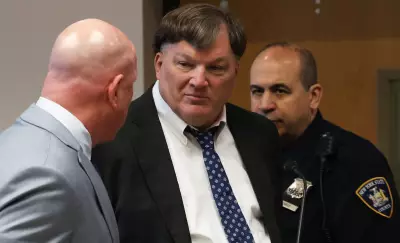
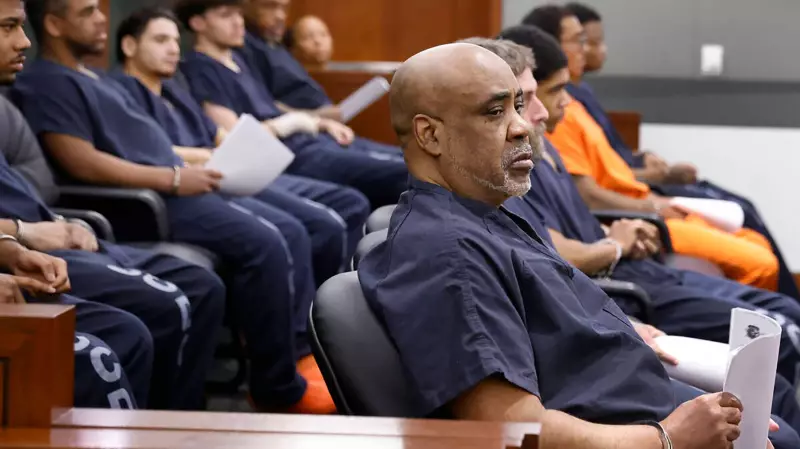
In a motion filed this week, Las Vegas criminal defence attorneys Robert Draskovich and William Brown argued that a judge approved a nighttime search warrant for their client's home based on a "misleading portrait" of Duane "Keffe D" Davis as a dangerous drug dealer. The lawyers state that such warrants, which allow police to execute searches after 10 p.m., are reserved for exceptional circumstances, like when evidence is at immediate risk of being destroyed.
The motion contends the court was not informed that Davis, a former gang leader from Southern California, had left the narcotics trade back in 2008 and later worked inspecting oil refineries. At the time of the search in 2023, Davis was a 60-year-old retired cancer survivor living with his wife in Henderson, Nevada, for nine years, with adult children and grandchildren.

"The court authorized a nighttime search based on a portrait of Davis that bore little resemblance to reality," his attorneys wrote, calling the decision "clearly erroneous."
Police Justification and Defence Counterclaims
The Las Vegas Metropolitan Police Department, which carried out the search and seized Davis's electronic devices, alleged marijuana, and photo containers, declined to comment due to the ongoing case. Initially, police justified the nighttime execution by stating it would allow officers to safely surround the home and, if Davis barricaded himself, evacuate neighbours with minimal risk under darkness.
Davis was arrested in September 2023 and has pleaded not guilty to first-degree murder. He has sought release on bail since shortly after his arrest. His defence team argues his arrest stems largely from his own past public statements, where he claimed to be present in the white Cadillac from which Shakur was shot on the Las Vegas Strip.
A History of Monetized Claims
The defence motion suggests Davis benefited financially from inserting himself into the narrative of one of music's most infamous unsolved crimes. They state he has never provided firm details corroborating his presence in the car. According to the filing, he avoided drug charges through a proffer agreement by telling the story and later profited from it in documentaries and his 2019 book.
"Shakur’s murder was essentially the entertainment world’s JFK assassination — endlessly dissected, mythologized, monetized," his attorneys wrote, implying a motive for someone to falsely place themselves at the scene.
Davis previously sought to have the murder charges dismissed through the Nevada Supreme Court, but his petition was denied in November 2025. The legal battle now centres on the admissibility of the evidence gathered during the contested nighttime search, a critical juncture in the decades-old case.