

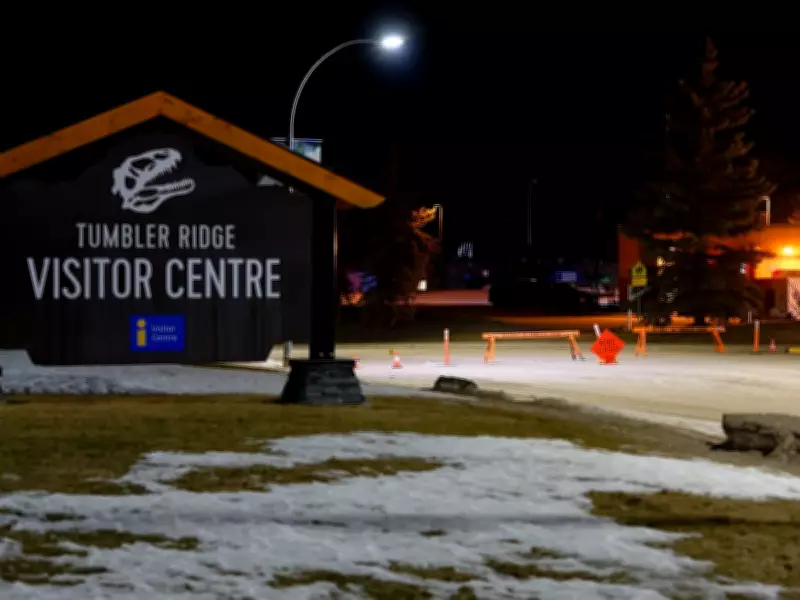
The quiet community of Tumbler Ridge, British Columbia, a small town with fewer than 2,500 residents, has been irrevocably altered by a horrific act of violence. On Tuesday, February 11, 2026, a mass shooter targeted Tumbler Ridge Secondary School, resulting in nine fatalities and more than two dozen injuries before the perpetrator turned the weapon on themselves. Police discovered victims at the school and additional locations, leaving a town where everyone knows each other grappling with profound loss.
A Community Shattered
As a daily gathering place, the local high school symbolized the future for teachers, parents, and students alike. That sense of normalcy was shattered in an instant, with early reports adding confusion as unconfirmed stories suggested a second suspect. The motives behind this massacre remain unknown, though evidence collection is underway to provide answers. Social media speculation about the shooter being transgender has emerged but remains unverified.
The Danger of Humanizing Evil
In the aftermath, there is an inevitable tendency to humanize the actions of mass shooters, whether through examining their life story or political affiliations. This approach must be firmly resisted, as it risks normalizing evil and devolving into a silent form of surrender. Empathizing with perpetrators can create a misguided belief that society must share emotional labor with those intent on destruction.

Instead, the focus should remain on honoring the dead and supporting survivors. The victims deserve our grief, and those affected have a right to know the shooter's identity and motives. With nearly 200 students attending the high school, the impact of 10 dead and 25 wounded is staggering, meaning almost every resident will have a friend or family member directly touched by this tragedy.
Historical Context of Mass Violence in Canada
This event now stands as one of the worst mass casualty incidents in modern Canadian history, surpassing the previous highwater mark in British Columbia—the 1996 Vernon shooting that claimed nine lives. Other grim milestones include:
- The 1989 École Polytechnique shooting in Montréal, where 14 women were murdered.
- The 2020 Nova Scotia rampage that killed 22 people.
- The 2017 Quebec City mosque shooting with six fatalities.
- The 2016 La Loche school shooting resulting in five deaths.
- The 2014 killings of RCMP officers in Moncton.
These tragedies serve as stark reminders that complete safety can never be guaranteed, despite efforts by governments and institutions to reduce risks. No society can fully inoculate itself against such evil, underscoring the need for resilience and collective mourning in the face of unimaginable loss.






