Toronto Drug Traffickers' Northern Expansion Brings Tragedy to First Nations
The relentless push of drug dealers from the Greater Toronto Area into northern regions has culminated in what community leaders describe as a profound tragedy for First Nation communities. This expansion of illicit networks is fueling a surge in violence, addiction, and social disruption, placing immense strain on remote and vulnerable populations.
A Disturbing Pattern of Infiltration
Law enforcement agencies have observed a clear and troubling trend: organized crime groups based in southern Ontario are systematically extending their operations northward. These networks are exploiting logistical routes and pre-existing social connections to establish distribution channels in First Nation territories. The influx of potent, often deadly, substances like fentanyl and methamphetamine has overwhelmed local resources and exacerbated existing public health crises.
The consequences are devastating and multifaceted. Communities report sharp increases in overdose incidents, property crimes linked to addiction, and a disturbing rise in gang-related violence. The social fabric of these nations, already challenged by historical inequities and limited infrastructure, is being further torn by this external criminal pressure.

Community Leaders Sound the Alarm
Elders and council members from affected First Nations have issued urgent calls for intervention. They describe a situation where youth are particularly vulnerable to recruitment by these outside criminal elements, leading to cycles of exploitation and violence. The traditional ways of life and community cohesion are under direct threat from this imported scourge.
"This is not just a law enforcement issue; it is a humanitarian crisis," stated one community health director, who requested anonymity due to safety concerns. "We are seeing families destroyed, generations lost to addiction, and a level of fear that has not been present before. The traffickers see our communities as new markets, with little regard for the human cost."
Law Enforcement Challenges and Responses
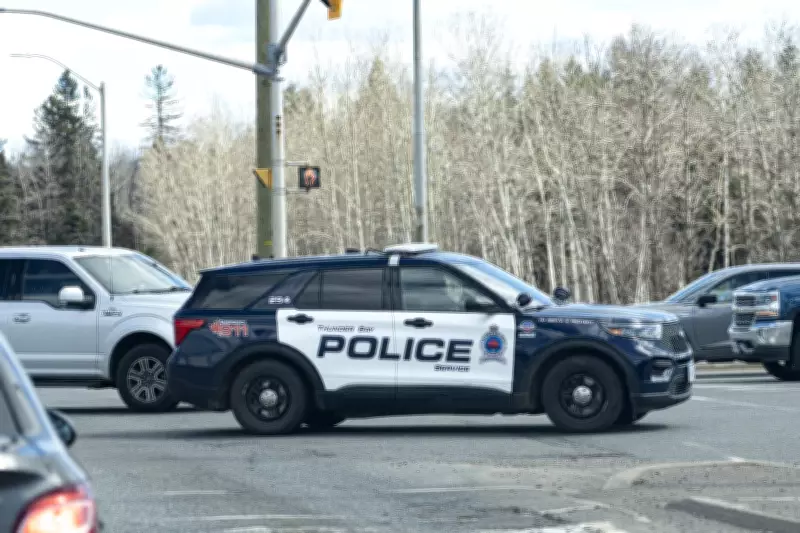
Policing these vast northern regions presents significant logistical hurdles. Forces like the Thunder Bay Police Service and the Ontario Provincial Police are grappling with limited personnel, vast geographic areas to cover, and the sophisticated tactics employed by urban-based trafficking rings. Recent investigations have led to significant seizures, such as the $1.5 million worth of illegal drugs confiscated in a GTA trafficking probe, highlighting the scale of the operations feeding this northern pipeline.
However, arrests and seizures alone are insufficient. Experts argue that a coordinated strategy involving policing, border security, social services, and First Nation leadership is critical. This must include:
- Enhanced intelligence-sharing between southern and northern police units.
- Increased funding for community-based addiction treatment and mental health support.
- Programs focused on youth engagement and economic development to provide alternatives to criminal activity.
- Stronger partnerships with First Nation peacekeepers and community safety officers.
The situation underscores a brutal reality: the ripple effects of metropolitan organized crime can travel hundreds of kilometers, with the most severe impacts felt in Canada's most underserved communities. Addressing this tragedy requires acknowledging it as a national issue demanding a unified and culturally sensitive response, one that prioritizes the safety and sovereignty of First Nations.