Suspect in Fishing Lake First Nation Police Pursuit Died by Suicide, Official Report Reveals
A recent report has confirmed that the individual involved in a high-profile police chase on Fishing Lake First Nation died by suicide. The incident, which drew significant attention from law enforcement and community members, underscores the complex challenges surrounding mental health crises and policing in Indigenous territories.
Details of the Incident and Aftermath
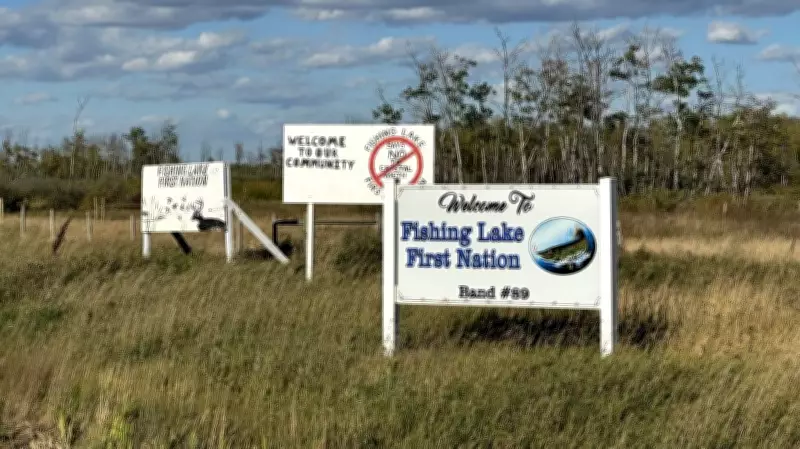
The chase occurred on Fishing Lake First Nation, a community located in Saskatchewan. According to the report, the suspect was pursued by police under circumstances that have not been fully disclosed to the public. Following the pursuit, the individual was found deceased, with the report conclusively determining the cause of death as suicide.
This tragic outcome has sparked discussions about the handling of such situations, particularly in remote or Indigenous communities where access to mental health resources may be limited. Community leaders and advocates are calling for a thorough review of police protocols to ensure better outcomes in future crises.

Broader Implications for Indigenous Communities
The incident at Fishing Lake First Nation is not isolated. It reflects a broader pattern of mental health struggles and systemic issues faced by Indigenous populations across Canada. High rates of suicide and mental health disorders in these communities are often linked to historical trauma, socioeconomic disparities, and inadequate support services.
Experts emphasize the need for culturally sensitive approaches to policing and mental health intervention. This includes training for law enforcement on de-escalation techniques and collaboration with Indigenous healers and counselors. The report's findings may prompt policy changes aimed at preventing similar tragedies.
Community Response and Calls for Action
In the wake of the report, Fishing Lake First Nation residents have expressed grief and frustration. Many are advocating for increased investment in mental health programs and stronger partnerships between police and community organizations. "We need solutions that address the root causes, not just the symptoms," said one local advocate, who requested anonymity.
The report also highlights the importance of transparency in police investigations. By publicly confirming the cause of death, authorities hope to provide closure to the community and foster trust. However, some critics argue that more proactive measures are necessary to support vulnerable individuals before crises escalate.
As discussions continue, this incident serves as a poignant reminder of the urgent need for comprehensive mental health strategies and reformed policing practices in Indigenous communities. The hope is that from this tragedy, meaningful change will emerge to protect and support all residents.