Lapu Lapu Day Attack Survivor Demands Transparency Over $1.5 Million in Relief Funds
Nearly a year after a vehicle plowed through a crowded Lapu Lapu Day festival, killing eleven people and injuring many more, survivor Blaine Redlac continues his search for answers. He seeks clarity not only about the tragic events of that day but also regarding the distribution of more than $1.5 million in donations intended to support victims.
A Personal Tragedy and a Public Promise
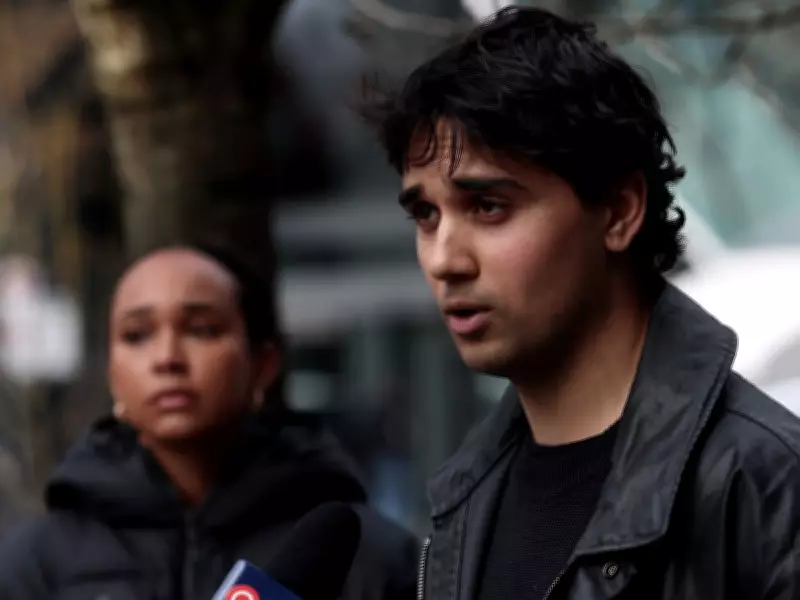
Redlac, a 29-year-old plumber, suffered a shattered leg and lost his fiancée, Jendhel May Sico, in the April 26 attack. The impact threw him ten meters, leaving him with severe physical and psychological injuries that have prevented his return to work. Standing recently outside the offices of Filipino B.C., Redlac expressed his frustration.
"The public thought these funds were going to go directly to the directly impacted victims," Redlac stated. "A lot of us directly impacted didn’t get the help the public thought."

Growing Calls for Accountability
Redlac is among a growing coalition of victims, former Filipino B.C. board members, and community advocates demanding greater transparency in how the Kapwa Strong Fund donations have been allocated. He attempted to meet with organizers in person but instead had to leave a letter outlining his concerns.
According to publicly available figures, the fund, initially managed by United Way B.C., raised approximately $1.57 million from public and private donors. By December, about $1.5 million had been distributed as grants to forty non-profit and charitable organizations, while $451,570 went specifically to Filipino B.C., as directed by donors.
The Struggle for Basic Support
Despite these substantial sums, Redlac reports receiving only a few hundred dollars in gift cards from Filipino B.C. and $3,500 from United Way. He continues to struggle with daily expenses and the psychological toll of the attack, which has made even completing employment insurance paperwork a challenge.
"I don’t even know how I am anymore," he confessed during a recent interview.
Other Victims Face Similar Hardships
Another victim, AJ Sico, suffered a traumatic brain injury that has left him unable to work or file for employment insurance. The 30-year-old, now residing in a Vancouver nursing home, can speak only a few words, uses a wheelchair, and requires round-the-clock care from his retired mother, Jhosie. As the sole breadwinner for his family, his inability to work has created severe financial strain.
Vanessa Hill, Sico's girlfriend, told media that obtaining support from Filipino B.C. since the attack has been exceptionally difficult, despite the organization's claims of providing case management for approximately seventy affected individuals.
Funds Transition to Long-Term Endowment
In September, the Kapwa Strong Fund was transferred to the Vancouver Foundation, where it continues as a long-term endowment supporting Filipino B.C. organizations and programs. While cultural organizations maintain they are assisting victims, the disconnect between available funds and actual victim support remains a point of contention.
The situation highlights broader questions about charitable fund management and donor intent following community tragedies. As Redlac and others continue their advocacy, they emphasize that transparency isn't just about financial accountability—it's about honoring the trust of donors and providing meaningful support to those whose lives were forever altered on that tragic day.