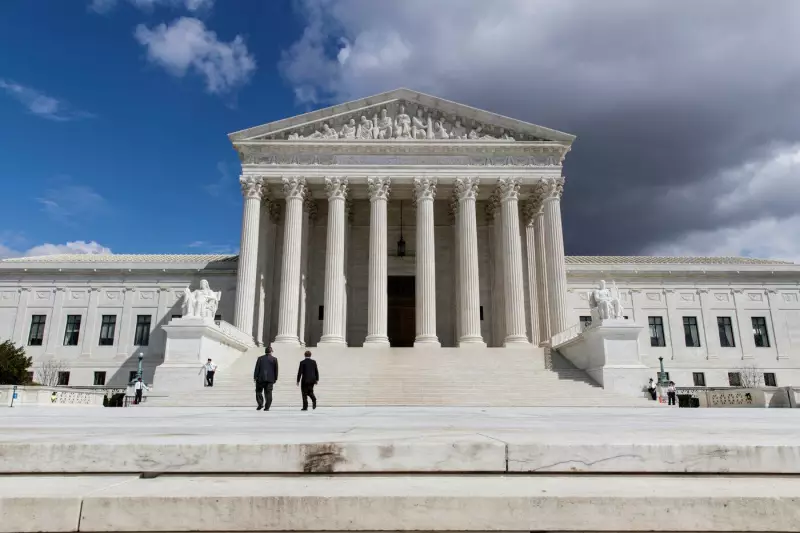
In a significant interim decision, the U.S. Supreme Court has sided with a group of immigration judges in a contentious free speech case, delivering a temporary rebuke to the legal stance of the former Trump administration. The ruling, issued on December 19, 2025, marks a pivotal moment in the ongoing debate over the speech rights of federal employees.
A Victory for Judicial Speech Rights
The case centers on whether immigration judges, who are employees of the Department of Justice, can be restricted in their public commentary on immigration law and policy. The judges argued that such restrictions violated their First Amendment rights. The Supreme Court's current position, while not a final judgment on the merits, allows the judges' challenge to proceed and temporarily blocks the enforcement of the contested speech limits that were defended by the Trump-era officials.
This preliminary ruling indicates the court's skepticism toward the government's argument that all commentary from these judges could be construed as official policy, thus necessitating strict controls. The decision underscores the complex balance between a government employee's duty of loyalty and their right to engage in public discourse as private citizens on matters of profound public concern.

The Administration's Position Rebuffed
The Trump administration had maintained that imposing strict speech guidelines was essential to maintain the perceived neutrality and integrity of the immigration court system. They contended that unrestricted statements by judges could undermine public confidence in the fairness of proceedings and create confusion about official government policy.
However, for now, the Supreme Court has found this justification insufficient to warrant a broad gag order. The ruling suggests that the judges' proposed speech, which would include writing articles or giving lectures on immigration law, is of significant public value and is protected by the Constitution. This decision continues a legal battle that has stretched across multiple presidential administrations.
Implications and Next Steps
The immediate effect of the ruling is procedural: it prevents the government from silencing the judges while the full case winds its way through the lower courts. It does not permanently resolve the issue but sets a crucial precedent for how similar claims might be evaluated. Legal experts are watching closely, as the final outcome could redefine the boundaries of free speech for thousands of federal employees in sensitive positions.
Key questions remain, including whether a distinction will be drawn between judges speaking in an official capacity versus a personal one. The Supreme Court's eventual final decision will have lasting repercussions for administrative law, judicial independence, and government transparency.
As the legal process continues, this case highlights the enduring tensions between executive branch authority and the individual rights of those who serve within it. The Supreme Court's current alignment with the immigration judges signals a robust defense of free speech principles, even within the confines of federal employment.