Sudbury Man Cleared of Impaired Driving Charge Despite Breath Test Failure
A man from Sudbury, Ontario, has been acquitted of impaired driving charges, even though he failed a roadside breathalyzer test administered during a RIDE check in the city back in 2024. This surprising verdict underscores the intricate legal landscape surrounding impaired driving cases in Canada, where technicalities and procedural details can significantly impact outcomes.
Case Details and Legal Context
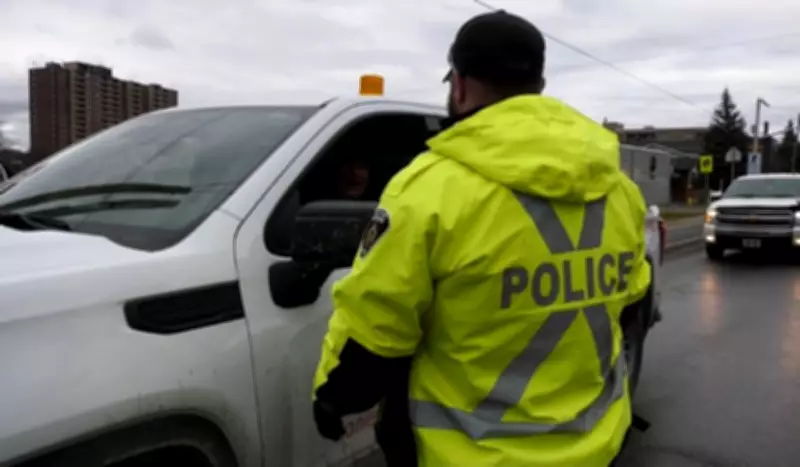
The incident occurred at a routine RIDE (Reduce Impaired Driving Everywhere) checkpoint, where law enforcement officers conduct random stops to screen drivers for signs of impairment. According to reports, the Sudbury man registered a fail on the roadside breath test, which typically indicates a blood alcohol concentration above the legal limit of 80 milligrams per 100 milliliters of blood. However, the court found insufficient evidence to convict him of impaired driving under the Criminal Code.
This case brings to light the critical importance of proper testing procedures and legal standards in impaired driving prosecutions. Factors such as the calibration and maintenance of breathalyzer devices, the timing of tests, and the adherence to protocols by law enforcement can all play pivotal roles in court decisions. Legal experts note that a failed roadside test alone does not always guarantee a conviction, as defense arguments may challenge the reliability or administration of the test.

Broader Implications for Road Safety and Justice
The acquittal raises questions about the effectiveness of current impaired driving enforcement strategies and the balance between public safety and individual rights. RIDE programs are a cornerstone of efforts to combat drunk driving across Ontario, aiming to deter and detect offenders. However, cases like this highlight potential gaps or challenges in translating test results into successful legal outcomes.
From a public perspective, this verdict may spark discussions on the need for clearer guidelines or reforms in impaired driving laws to ensure consistency and fairness. It also serves as a reminder for drivers about the serious consequences of impaired driving, while emphasizing that legal defenses exist and can prevail under specific circumstances.
In summary, the Sudbury man's not-guilty finding, despite a failed breathalyzer, illustrates the complex interplay between law enforcement practices, legal technicalities, and judicial interpretation in impaired driving cases. As communities continue to grapple with road safety issues, such cases contribute to ongoing debates about how best to address impaired driving while upholding justice.