Family Demands Justice After Fatal Boating Tragedy in Sudbury
The grieving family of a Sudbury woman who lost her life in a tragic boating accident is expressing profound anger and frustration. Their outrage stems from the legal classification of the case, which is being tried as a provincial offence rather than a criminal matter. This distinction has significant implications for the potential penalties and the perceived severity of the incident in the eyes of the law.
Details of the Lake Nepahwin Incident
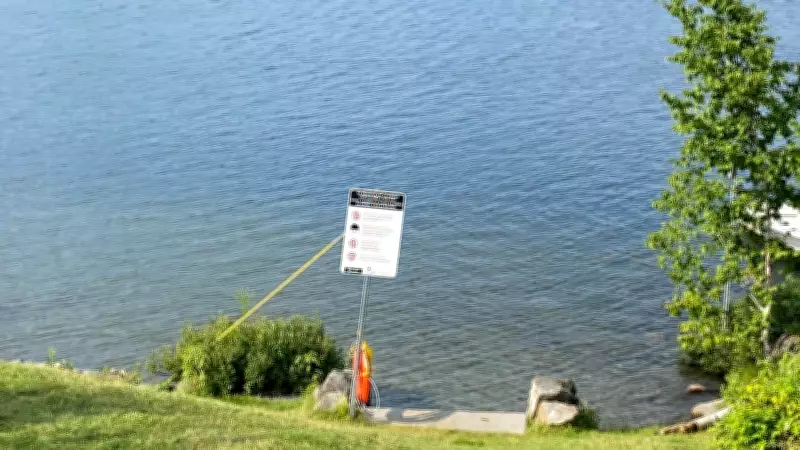
The fatal crash occurred on Lake Nepahwin, a body of water near Stewart Drive in Sudbury. The area was the scene of a significant police presence on August 1, 2025, as authorities responded to the emergency. While specific details about the circumstances leading to the woman's death have not been fully disclosed publicly, the incident has left a community in mourning and a family seeking answers.
The decision to prosecute the case under provincial regulations, which typically govern boating safety and navigation rules, means it is being handled through a different legal framework than a criminal prosecution. Provincial offences often carry lesser penalties, such as fines or license suspensions, compared to criminal charges which can result in imprisonment for more serious violations like criminal negligence causing death.

Broader Context of Legal and Safety Concerns
This case highlights ongoing concerns about water safety and legal accountability in Northern Ontario's numerous lakes and waterways. Families affected by such tragedies often grapple with the complex legal processes that follow, where the classification of an offence can deeply impact their sense of justice. The family's anger underscores a common sentiment among victims' relatives who feel that provincial offences may not adequately reflect the gravity of a loss of life.
In the broader Canadian legal landscape, the distinction between provincial and criminal offences is crucial. Criminal matters fall under federal jurisdiction and are prosecuted by the Crown, often involving more rigorous investigations and harsher penalties. Provincial offences, on the other hand, are regulated by provincial or territorial laws and are typically addressed through administrative or quasi-criminal proceedings.
The emotional toll on the Sudbury family is compounded by their belief that a provincial offence does not convey the seriousness of the incident. They argue that such a classification might minimize the accountability of those involved and fail to deliver the justice they seek for their loved one. This situation raises important questions about how fatal accidents are legally categorized and whether current frameworks sufficiently address the consequences of negligence on the water.
As the case proceeds, it will likely draw attention to boating safety regulations in Ontario and the adequacy of legal responses to fatal incidents. The family's plight serves as a poignant reminder of the human cost behind legal technicalities and the ongoing need for clarity and compassion in the justice system.