In a significant move towards addressing a painful chapter in its history, Spain has forged a landmark agreement between the state and the Catholic Church to provide compensation to victims of sexual abuse. This pact, finalized in early 2026, represents a concerted effort to deliver a measure of justice and recognition to those who have suffered.
The Details of the Compensation Agreement
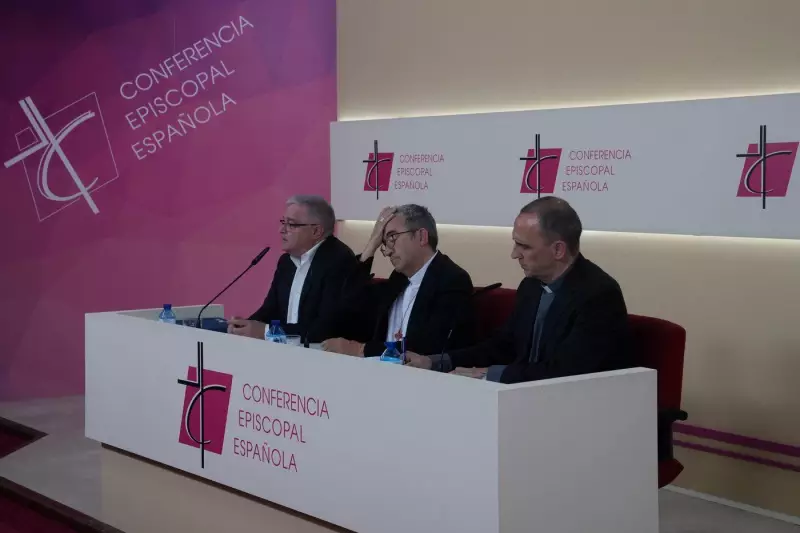
The agreement was announced by key figures representing the Church in Spain. Luis Arguello, the President of the Spanish Episcopal Conference, stood alongside Jesus Diaz Sariego, President of Spain's Conference of Religious Orders, to detail the plan. The press conference, held in Madrid on Tuesday, July 9, 2024, marked a public commitment to a process that had been under negotiation for some time.
While the precise financial figures and the total number of victims covered were part of the ongoing implementation, the core of the agreement establishes a framework for the Church and the government to jointly address claims. This collaborative model is seen as a crucial step, moving beyond years of denial and institutional silence that had long characterized the Church's response to abuse allegations across many countries.

A Turning Point for Victims and the Church
For victims and advocacy groups, this agreement is a hard-won victory. It formally acknowledges the systemic failures that allowed abuse to occur and provides a pathway for reparations. The plan is expected to cover abuse that took place within various Church institutions over decades, offering survivors a state-sanctioned mechanism to seek redress.
The involvement of both the bishops' conference and the conference of religious orders is critical, as it aims to create a comprehensive system that addresses abuse across the entire spectrum of Catholic institutions in Spain. This includes parishes, schools, and other organizations run by religious orders.
The Path Forward and Broader Implications
The announcement on January 08, 2026, confirms that the plan has moved from negotiation to active implementation. This development places Spain among a growing number of nations forcing a reckoning with clerical sexual abuse. The agreement signals a shift in the relationship between the Spanish government and the Catholic Church, with the state taking an active role in ensuring accountability for historical injustices.
The success of this compensation plan will now hinge on its execution. Key factors will be the accessibility of the process for victims, the fairness of the compensation awarded, and the continued transparency of both Church and government bodies. For many, this agreement is not an end, but a beginning—a foundational step towards healing and ensuring such abuses cannot be repeated.