A court in South Korea has delivered a landmark verdict, sentencing former President Yoon Suk Yeol to five years behind bars. The charges stem from his actions related to a controversial martial law decree issued during his tenure.
The Court's Ruling and Charges
The sentencing took place on Friday, January 16, 2026, at the Seoul Central District Court. The court found Yoon guilty on charges directly connected to the declaration of martial law, a move that had sparked significant political and social unrest in the country. The specific legal framework and articles under which he was convicted center on abuse of power and violations of constitutional procedures.
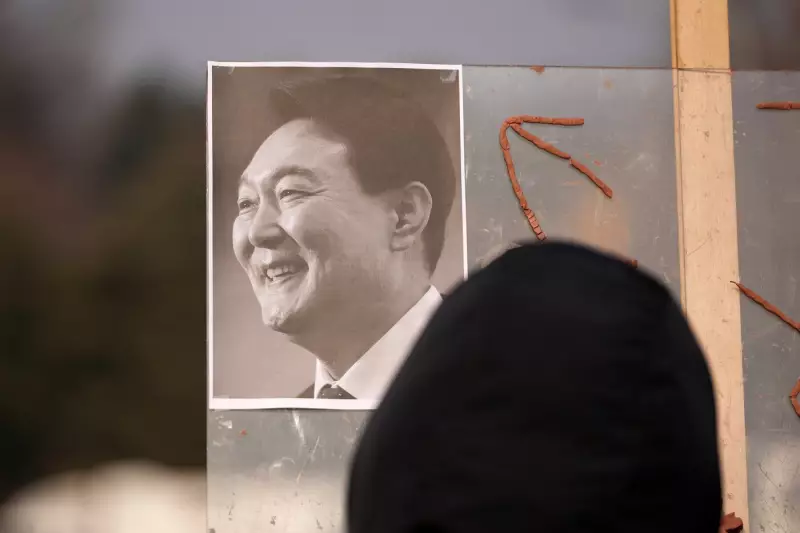
Outside the courthouse, the scene was tense. Supporters of the former leader gathered, holding placards bearing his image, as captured in an Associated Press photograph by Lee Jin-man. The five-year prison term marks a severe fall from grace for the former head of state.

Context and Immediate Aftermath
This case is one of the most significant political trials in South Korea's recent history, highlighting the country's robust judicial system which has not shied away from holding former top officials accountable. The martial law decree in question was a pivotal and deeply divisive moment during Yoon's presidency, leading to widespread protests and accusations of authoritarian overreach.
The sentence is expected to be appealed, setting the stage for a prolonged legal battle that will continue to dominate South Korean politics. Legal experts anticipate the appeals process could take many months, if not years, to reach a final conclusion.
Broader Implications for South Korea
This verdict sends a powerful message about the limits of presidential power in South Korea's democratic system. It underscores the principle that no individual is above the law, a tenet that has been tested repeatedly with former leaders from both major political parties facing investigations and convictions.
The ruling is likely to have profound and lasting repercussions on the nation's political landscape, potentially influencing upcoming elections and reshaping party dynamics. It also serves as a stark reminder of the intense scrutiny and high legal stakes faced by South Korea's top political figures long after they leave office.