In a tragic case unfolding in Calgary, a man has admitted to causing his mother's death on what should have been a celebratory occasion, but both the prosecution and defense are seeking a finding of not criminally responsible due to mental disorder.
Birthday Celebration Turns Fatal
Sol Harder had planned to mark her 60th birthday with a dinner alongside her son, John Patrick Harder. Instead, the Calgary woman met a violent end during an assault by her own child, as revealed in court proceedings on Monday. The incident occurred on July 23, 2023, at Harder's downtown condominium.
Legal Proceedings Take Unexpected Turn
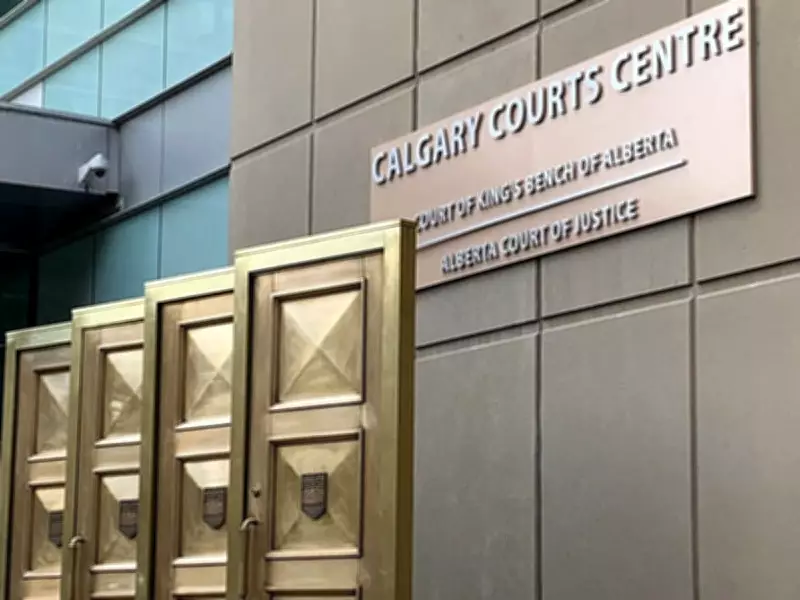
John Patrick Harder was originally scheduled to stand trial this week at Calgary Court of King's Bench. However, the case took a different direction when Crown prosecutor Luke Craggs and defense lawyer Gavin Wolch jointly presented evidence supporting a not criminally responsible finding based on mental disorder.

Crown prosecutor Craggs read a statement of agreed facts in which Harder acknowledged that his conduct supported a manslaughter finding. "The parties acknowledge that all care Sol received from police, paramedics and staff at the Foothills Medical Centre was performed in good faith and with the intention of treating her," Craggs stated in court.
Medical Complications in Fatal Injuries
The court heard disturbing details about Sol Harder's injuries and subsequent medical treatment. She died from internal bleeding resulting from blunt force trauma that broke four of her ribs, which in turn lacerated her liver and diaphragm.
Craggs noted that "some of the medical interventions Sol received may have caused, contributed to or accelerated her death," based on evidence from pathologist Dr. Eleftherios Vouyoukas presented during Harder's preliminary inquiry. Specifically, moving the injured woman from her bedroom floor to a stretcher using a makeshift sling "may have caused or aggravated the lacerations to her liver and diaphragm."
Despite these medical complications, the prosecution maintained that Harder bore legal responsibility for the fatal outcome. "The parties also agree that although the physical cause of death may have been from medical intervention, the legal cause of death as contemplated in Supreme Court precedent was the force that John applied to Sol," Craggs explained.
Mental Health Defense Central to Case
Defense counsel Gavin Wolch emphasized that while his client admits to committing acts constituting manslaughter, Harder should be found not guilty by reason of mental illness. Both legal teams cited a psychiatric report detailing Harder's mental state at the time of his mother's death as the basis for seeking the not criminally responsible finding.
"Both Wolch and Craggs said their reasons for seeking an NCR finding is a psychiatric report detailing Harder's mental state at the time of his mother, Sol Harder's, death," according to court documents.
Additional Assault Charge
The case involves additional violence beyond the fatal assault on Sol Harder. John Patrick Harder also admitted to facts supporting an allegation that he caused bodily harm to his aunt, Joy Torayno. The assault involved striking Torayno with an unbladed electric razor and a drinking glass.
Police body camera footage presented as evidence showed Torayno with blood streaming down her face following the attack. Authorities were called to the scene after Torayno managed to contact emergency services despite her injuries.
Next Steps in Legal Process
The case returns to court Tuesday for arguments regarding the not criminally responsible finding for both offenses. If successful, Harder would likely be placed under the jurisdiction of the Criminal Code Review Board, which would determine appropriate treatment and supervision moving forward.
John Patrick Harder remains in custody as legal proceedings continue. The case highlights the complex intersection of criminal responsibility and mental health considerations within Canada's justice system, particularly in violent offenses involving family members.
The tragic circumstances surrounding Sol Harder's death on her milestone birthday have left legal professionals grappling with questions of culpability, mental health assessment, and appropriate outcomes for defendants with documented psychiatric conditions.