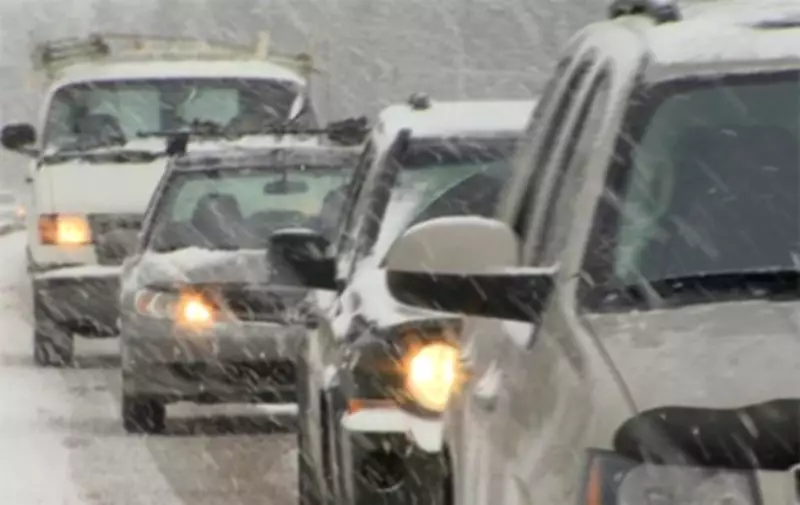
B.C. Snowstorm Deemed Not an 'Act of God' by Tribunal in Food Delivery Dispute
A recent ruling by a Canadian tribunal has clarified that a severe snowstorm in British Columbia does not constitute an 'Act of God,' a decision with important implications for liability in commercial transactions, particularly involving spoiled food deliveries. The case centered on a delivery service that failed to transport perishable goods during the winter weather event, leading to significant financial losses for the recipient.
Legal Interpretation of Force Majeure Events
The tribunal meticulously examined the legal definition of an 'Act of God,' which typically refers to unforeseeable natural events that are beyond human control and could not have been prevented by reasonable care. In this instance, the adjudicators found that while the snowstorm was indeed a natural occurrence, it was not entirely unpredictable given the region's climate patterns and historical weather data. The ruling emphasized that the delivery company had access to weather forecasts and could have taken precautionary measures, such as rescheduling or using alternative routes, to mitigate the risk.
This decision underscores a growing trend in Canadian jurisprudence where courts and tribunals are scrutinizing force majeure clauses more rigorously, especially in the context of climate-related disruptions. The tribunal noted that with advanced meteorological technology and seasonal predictability, many weather events can no longer be automatically classified as Acts of God without considering human preparedness and response capabilities.

Impact on Food Industry and Logistics
The ruling has immediate consequences for businesses involved in food logistics and delivery services across Canada. Companies may now face increased liability for spoilage or delays during adverse weather conditions, unless they can demonstrate that they exercised due diligence. This could lead to higher insurance premiums, revised contract terms, and enhanced risk management strategies within the supply chain.
For consumers and retailers, this legal precedent offers greater protection against losses from failed deliveries, as it shifts more responsibility onto service providers to ensure reliable transportation regardless of weather challenges. The tribunal's findings also highlight the importance of clear contractual language regarding force majeure, advising parties to specify what constitutes an excusable delay to avoid future disputes.
Broader Implications for Climate and Commerce
Beyond the immediate case, this ruling reflects broader societal and legal adjustments to climate change. As extreme weather events become more frequent due to global warming, the traditional concept of Acts of God is being reevaluated in legal frameworks. The tribunal's decision suggests that businesses must adapt to a new normal where weather-related disruptions are expected, and preparedness is paramount.
In summary, the tribunal's determination that the B.C. snowstorm was not an Act of God marks a significant legal development, reinforcing accountability in commercial delivery services and prompting a reevaluation of risk management practices in an era of climate uncertainty. This case serves as a cautionary tale for industries reliant on timely logistics, urging proactive measures to safeguard against weather-induced failures.