A murdered Toronto police officer did not receive a single mention in recent parole board proceedings for one of his two killers, sparking outrage over the treatment of victims in Canada's justice system.
Parole Board Focuses on Killer, Not Victim
Mary Barbara Taylor, the convicted former drug addict, was the center of attention during the hearing. The two-person parole board seemed to dismiss the cold-blooded murder, focusing instead on Taylor's rehabilitation. The still-grieving widow and the two young daughters who grew up without their devoted father were overlooked.
According to Parole Board of Canada documents obtained by the Toronto Sun, Taylor, now 58, had her day parole extended by another six months. In the board's written decision, which spans more than 3,500 words of bureaucratic language, the murder of Bill Hancox merits only 77 words.

The Crime
On August 4, 1998, Taylor encouraged her lover Elaine Rose Smith (formerly known as Cece) to drive a butcher knife into Hancox's heart while he sat in a van eating a chocolate bar. The 32-year-old officer was on an undercover assignment at a Scarborough plaza. Both women were convicted of second-degree murder.
Smith is also out on day parole and was allowed to fly across the country to spend time with her Indigenous mother and other relatives. She was deemed a manageable risk.
Victim Statements Ignored
At the most recent review dated April 23, Taylor did not offer any written representations on why her day parole should be extended. No new victim statements were provided, and the board reviewed previous statements. Hancox's slaying was described as the senseless murder of a police officer.
The board wrote that the victims described the grief, loss, and trauma they continue to experience as a direct result of Taylor's actions. However, the victim's name was conspicuously absent.
Parole Conditions
The parole board imposed several conditions on Taylor: no alcohol, no drugs, no Greater Toronto Area, take her medications, and report any relationships. The Correctional Service of Canada also gave their blessing for more day parole.
At her most recent psychological risk assessment in February 2024, Taylor was deemed a low-moderate risk of violent recidivism. The author of the article argues that the issue is not with Taylor but with the Parole Board itself, which failed to mention the victim's name even once.
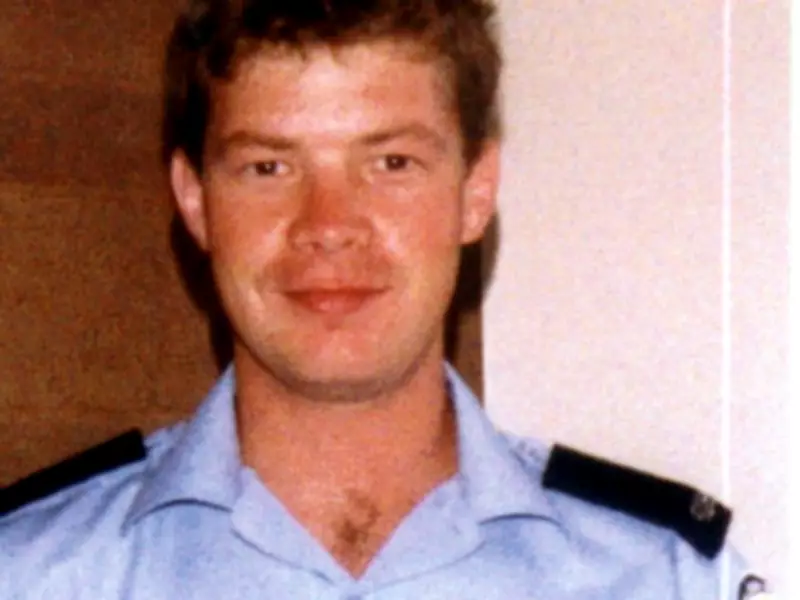
Just once, it would have been nice to see the name of Det. Const. Bill Hancox, 32-years-old forever. Husband, father, son. But that did not happen.