Scottish Parliament to Debate Landmark Assisted Dying Legislation
In a pivotal moment for end-of-life care, the Scottish Parliament is preparing to vote on the Assisted Dying for Terminally Ill Adults (Scotland) Bill. This proposed legislation, introduced by Liberal Democrat lawmaker Liam McArthur, seeks to provide a legal framework for terminally ill individuals to choose medical assistance in ending their lives.
Key Provisions of the Bill
The bill outlines specific criteria for eligibility, ensuring that only adults with a terminal diagnosis and the mental capacity to make such a decision can access assisted dying services. It includes safeguards such as mandatory medical assessments and waiting periods to prevent misuse.
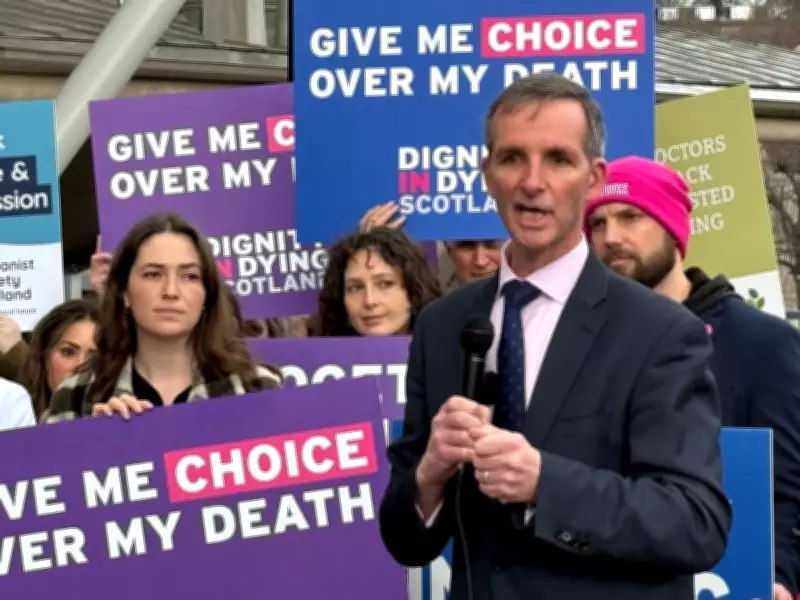
Supporters argue that the bill offers compassion and autonomy to those facing unbearable suffering. Liam McArthur, joined by advocates at a rally in Edinburgh, emphasized that it respects individual choice while maintaining strict regulatory controls.

Opposition and Ethical Considerations
Critics, including some medical professionals and religious groups, raise concerns about potential coercion and the sanctity of life. They warn that legalizing assisted dying could undermine palliative care efforts and create ethical dilemmas for healthcare providers.
The debate comes amid growing international attention, with countries like Canada and several U.S. states having similar laws. Proponents highlight that public opinion in Scotland has shifted, with polls showing majority support for assisted dying under regulated conditions.
Potential Impact and Next Steps
If passed, the bill would make Scotland the first part of the United Kingdom to legalize assisted dying for terminally ill adults. The vote is expected to be closely contested, with lawmakers from across the political spectrum weighing moral, legal, and practical implications.
Outcomes could influence broader discussions on end-of-life policies in the UK and beyond. The Scottish Parliament's decision will be closely monitored by advocacy groups, healthcare experts, and international observers.