Saskatchewan's Disturbing Lead in Indigenous Incarceration Rates
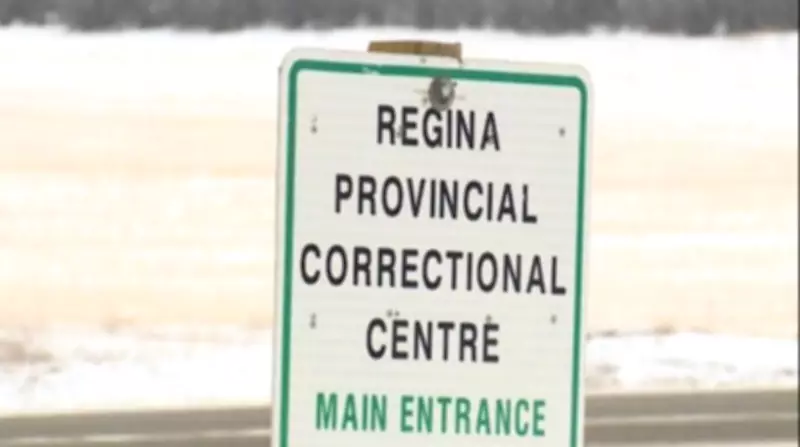
Newly released data from Statistics Canada has unveiled a stark and troubling reality in Saskatchewan's justice system. According to the latest figures, Indigenous adults in the province are being incarcerated at rates nearly 20 times higher than their non-Indigenous counterparts. This disparity places Saskatchewan at the forefront of a national crisis in Indigenous overrepresentation within correctional facilities.
The Statistical Reality of Systemic Disparity
The Statistics Canada report provides concrete numbers that underscore the severity of the situation. While specific percentages vary across demographic groups, the overall trend reveals a consistent pattern of disproportionate incarceration affecting Indigenous communities throughout Saskatchewan. This data comes from comprehensive national surveys and correctional service reports that track admission rates to provincial and federal institutions.
Experts analyzing these numbers point to multiple contributing factors that have created this alarming imbalance. Historical injustices, socioeconomic disadvantages, and systemic biases within the justice system have all been identified as elements perpetuating this cycle of over-incarceration. The data suggests that Indigenous individuals are more likely to be detained pre-trial, receive longer sentences for comparable offenses, and have fewer opportunities for alternative sentencing options.

Broader Context and National Implications
While Saskatchewan shows the most extreme disparity, this issue reflects a nationwide pattern of Indigenous overrepresentation in Canada's correctional systems. The Statistics Canada findings align with previous reports from correctional investigators and human rights organizations that have documented similar trends across multiple provinces. These numbers have prompted renewed calls for comprehensive justice reform that addresses the root causes of this disparity.
Community advocates and Indigenous leaders have responded to the data with calls for immediate action. Many emphasize that these statistics represent real people and families affected by a system that continues to fail Indigenous communities. Proposed solutions include increased funding for community-based justice programs, enhanced cultural competency training for justice system personnel, and greater implementation of restorative justice approaches that align with Indigenous traditions and values.
The Path Forward for Saskatchewan
The release of this data comes at a critical juncture for Saskatchewan's justice system. Provincial officials now face increased pressure to develop and implement targeted strategies to address this profound imbalance. Some advocates suggest that meaningful consultation with Indigenous communities must form the foundation of any reform efforts, ensuring that solutions are culturally appropriate and community-driven.
As Saskatchewan grapples with these findings, the broader conversation extends to how Canada measures progress on reconciliation. Many observers note that true reconciliation requires addressing systemic inequalities within institutions like the justice system. The Statistics Canada data provides a quantitative baseline against which future reform efforts can be measured, offering both a challenge and an opportunity for meaningful change in how Saskatchewan administers justice for all its residents.