Nine Years After Quebec Mosque Massacre: Beyond Commemoration to Action
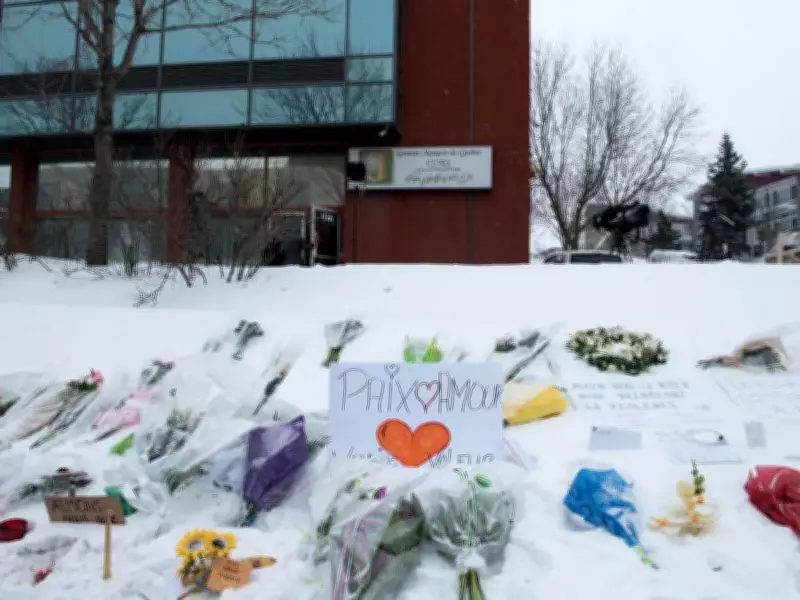
On the evening of January 29, 2017, a chilling phone call brought news of unimaginable violence to Samer Majzoub, co-founder and president of the Canadian Muslim Forum. Friends in Quebec City reported hearing gunfire from inside the Islamic Cultural Centre during evening prayers. What followed was one of Canada's most devastating acts of terrorist violence—six men shot dead while engaged in peaceful worship.
A Night That Changed Canada
The victims—fathers, sons, brothers, and husbands—were Quebecers whose only "fault" was practicing their Muslim faith. In that violent instant, seventeen children lost a parent, and communities across Quebec and Canada were plunged into shock and grief. The massacre represented not just individual tragedy but a profound failure in Canada's social fabric.
As Majzoub recalls, the immediate aftermath brought relentless media questioning: "How could this happen in Canada?" The answer, he argues, was neither mysterious nor sudden. It emerged from a climate where hate had been allowed to fester, where Islamophobia had been minimized or dismissed, and where inflammatory rhetoric from public figures had entered mainstream discourse.

The Persistent Climate of Hate
Nine years later, the central question remains: What have we learned? The evidence suggests insufficient progress. Muslim Canadians and other communities continue reporting hate incidents, harassment, threats, and vandalism. Religious institutions remain concerned about security, and public debates around identity and secularism often drift into language that portrays minority communities as suspect or incompatible.
This is not about suppressing debate or limiting free expression, Majzoub emphasizes, but about responsibility. "When communities are framed as problems to be managed, trust erodes," he writes. "When fear becomes a political tool, social cohesion weakens."
From Remembrance to Meaningful Action
Commemoration alone proves insufficient. True remembrance must be paired with concrete action across multiple sectors:
- Educational Reform: Schools must foster media literacy, critical thinking, and respect for difference, equipping young people to recognize and challenge stereotypes before they harden.
- Political Leadership: Elected officials must resist exploiting fear or division for short-term gain, maintaining clear and consistent opposition to racism and religious hatred.
- Media Responsibility: News coverage must prioritize accuracy, context, and humanizing narratives that strengthen public understanding and social trust.
The six men killed must be remembered as individuals, not symbols—members of Canadian society whose lives were taken in hatred that continues affecting families and communities.
A Sustained Commitment to "Never Again"
Canada's values of equality, dignity, and social peace are tested not in words but in practice. January 29, 2017, represented such a test. The real measure of Canada's response lies in whether conditions allowing hatred to escalate into violence are being reduced.
Honoring the victims means ensuring no one is targeted because of faith or identity. It means rejecting divisive rhetoric and choosing discourse that strengthens social cohesion. As mosques, synagogues, churches, and community centers continue facing vandalism and threats, Canada must demonstrate that no democracy can tolerate intimidation preventing people from worshipping, gathering, or belonging.
"Never again" must become more than a phrase—it must represent a sustained national commitment.