Prosecutor's Offspring Present at Charlie Kirk Shooting Scene, Sparking Ethical Debate
A complex legal and ethical dilemma has emerged in the high-profile case surrounding the fatal shooting of Charlie Kirk in Provo, Utah. The situation involves the 18-year-old child of a prosecutor who was reportedly present at the scene when the incident occurred. This revelation has ignited a serious debate among legal professionals and observers about whether this constitutes a conflict of interest that could impact the judicial proceedings.
Details of the Case and the Potential Conflict
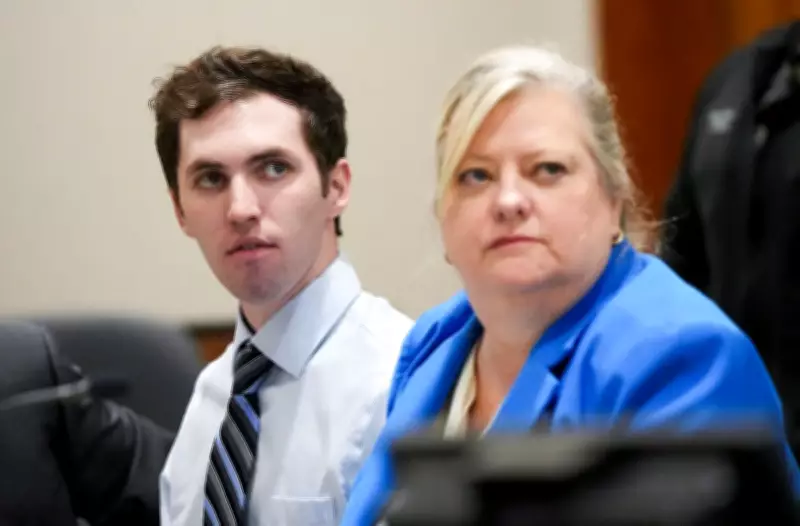
The suspect, Tyler Robinson, is facing charges in connection with the shooting death of Charlie Kirk. During a hearing on January 16, 2026, Robinson appeared alongside his defence attorney, Kathryn Nester. The case has drawn significant public attention, not only due to the nature of the crime but now also because of the personal connection of a prosecutor's family member to the event.
Legal experts are divided on the implications. Some argue that the presence of the prosecutor's child at the scene could create an appearance of bias or personal investment in the outcome of the case. This might undermine public confidence in the fairness of the legal process. Others contend that as long as the prosecutor in question is not directly involved in the trial or has recused themselves, the situation may not meet the formal threshold for a conflict of interest under legal statutes.

Broader Context and Legal Precedents
This scenario raises important questions about the boundaries of professional conduct in the justice system. Prosecutors are held to high ethical standards, requiring them to avoid even the perception of partiality. Instances where family members are connected to a case, whether as witnesses, victims, or in this case, bystanders, can complicate matters significantly.
The case continues to move forward in the Utah courts, with the defence and prosecution navigating these uncharted waters. It remains to be seen whether formal motions will be filed regarding this issue or if the court will address it proactively. The outcome could set a precedent for how similar situations are handled in the future across Canada and other jurisdictions with comparable legal frameworks.
As the legal community watches closely, the fundamental question persists: does the prosecutor's child being a witness create an insurmountable conflict, or can the system ensure a fair trial despite this personal connection? The answer will have lasting implications for judicial integrity and public trust.