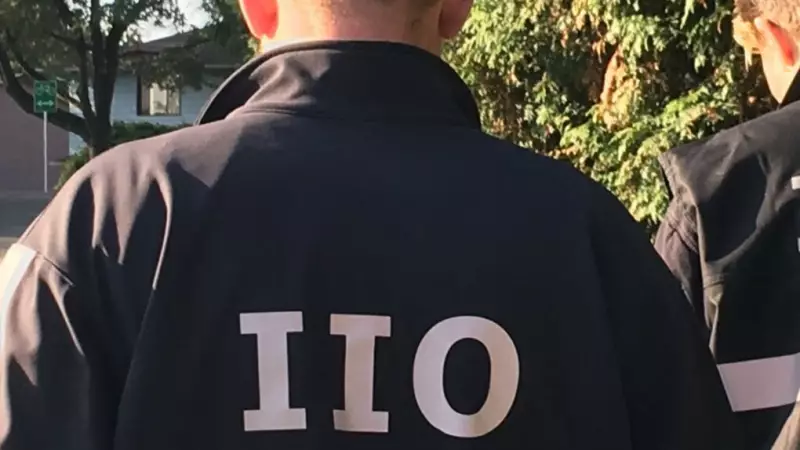
The Independent Investigations Office (IIO) of British Columbia has launched a probe into a deadly vehicle collision that occurred in the Fraser Valley. The incident, which resulted in at least one fatality, prompted the involvement of the province's police watchdog, which examines cases involving police actions that lead to serious harm or death.
Details of the Fraser Valley Incident
While specific details about the circumstances of the crash or the individuals involved have not been fully released by the IIO, the agency confirmed its investigators were deployed to the scene. The IIO's mandate is to conduct thorough, independent investigations to determine whether any officer actions or inactions contributed to the outcome.
The crash comes as weather officials warn of another significant hazard for B.C. residents. Environment and Climate Change Canada has issued alerts for the South Coast, forecasting a combination of high tides and a potent storm surge that could lead to coastal flooding over the weekend.

Coastal Communities Brace for Flooding
Meteorologists note that the alignment of the storm surge with seasonal high tides creates an elevated risk for low-lying areas along the shoreline. Residents in vulnerable communities are advised to take precautions, which may include moving belongings to higher ground and avoiding shoreline paths and beaches during the peak of the event.
This dual threat of a serious police investigation and severe weather underscores a challenging start to the new year for parts of the province. The IIO's work is critical for public accountability, while the weather warnings highlight the ongoing climate-related vulnerabilities faced by coastal regions.
Accountability and Preparedness
The IIO's investigation will proceed independently of any police internal reviews. The agency will collect evidence, including witness statements and any available video footage, to piece together a timeline of events leading to the fatal crash. Its findings will be made public in a report once the investigation is complete.
Concurrently, emergency management officials are monitoring the weather system closely. Local governments may issue their own advisories or orders based on the evolving conditions, emphasizing the need for residents to stay informed through official channels.
These parallel events—a tragic loss of life under investigation and a looming natural threat—serve as reminders of the unpredictable challenges communities can face and the importance of robust systems for both justice and public safety.