For survivors of domestic violence, the act of leaving an abusive partner is often the most perilous moment, not the assault itself. During this critical window, police officers frequently serve as the first and sometimes only point of contact. However, a growing chorus of advocates and experts contends that law enforcement is being asked to manage these high-stakes encounters with training that falls short of reflecting the complex reality they face.
The Disconnect Between Training and Trauma
Consider a survivor who has finally escaped years of coercive control and near-fatal violence. While recovering in a hospital, they are informed there is insufficient evidence to charge their abuser. The survivor is traumatized, medicated, and terrified, making it difficult to recount events in a calm or linear fashion. To an untrained observer, this may appear unreliable. In truth, this is a common and well-documented trauma response.
This stark disconnect highlights a serious flaw in how police are educated for domestic violence calls, mental health crises, and other high-risk situations. These encounters rarely unfold in an orderly or predictable manner. Victims may seem contradictory, emotionally volatile, withdrawn, or even protective of the person harming them. Trauma profoundly disrupts memory, behaviour, and communication—realities that cannot be fully grasped through policy manuals or traditional classroom instruction alone.

Officers today are expected to function as first responders, crisis managers, and peacekeepers simultaneously, often under extreme pressure. Yet, a significant portion of police training still relies on scripted exercises that fail to capture the raw emotional intensity and unpredictability of real-world calls. Consequently, officers can find themselves least prepared for the situations most likely to escalate dangerously.
A Proven Alternative: Immersive Scenario-Based Training
Immersive, scenario-based training with professional actors offers a powerful and proven alternative that enhances safety for both the public and police. This method also provides a crucial opportunity to integrate officer wellness skills, including self-care knowledge to be applied before and after intense scenario events, aiding in the prevention of PTSD.
When officers train with skilled role players portraying victims, suspects, and witnesses, they engage with realistic human behaviour instead of scripted responses. Actors react dynamically, forcing officers to communicate clearly, read subtle emotional cues, and adapt their tactics in real time. This type of training builds essential judgment, restraint, and empathy—skills that are difficult, if not impossible, to develop through lectures alone.
Critical Lessons for Domestic Violence Cases
In domestic violence cases specifically, immersive training is indispensable. Officers learn that a survivor's hesitation, recanting of statements, or fragmented memories are often rooted in profound fear and trauma, not deception. They come to understand that a calm demeanour does not necessarily indicate safety, and that visible emotional distress does not undermine a victim's credibility. These critical distinctions can determine whether a victim receives the protection they need or is inadvertently sent back into imminent danger.
The realism in this advanced training extends beyond role players. Techniques like moulage—the application of realistic simulated injuries using special effects makeup—force officers to confront the physical and emotional reality of trauma. This prepares them to better assess injuries, prioritize medical care, and maintain composure amid chaos. Furthermore, working with oppositional forces—professional actors who resist, flee, or behave unpredictably—allows officers to practice de-escalating and managing volatile encounters in a controlled setting, where mistakes become vital lessons rather than potential tragedies.
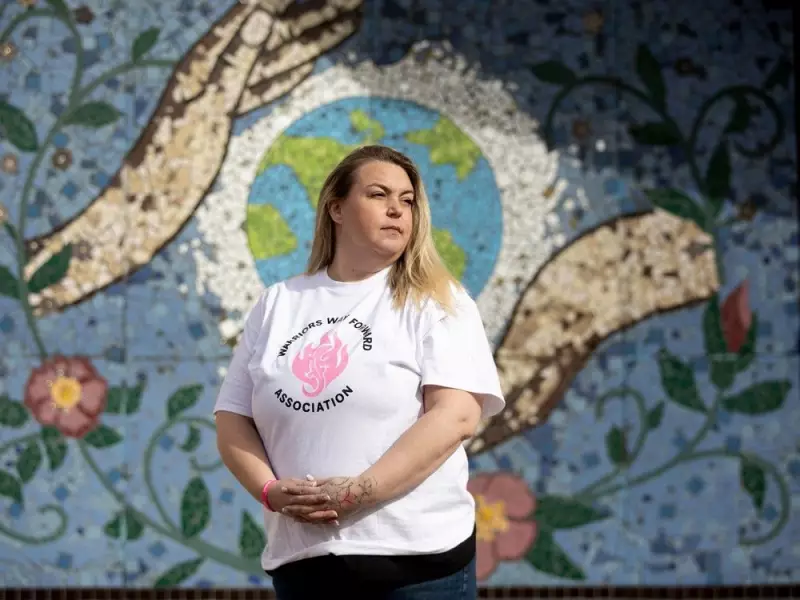
The call for reform, underscored by advocates like Chelsea Brown, co-author of this perspective, is clear. To truly protect survivors during their most vulnerable moments, police training must evolve to meet the complex, human realities of domestic violence. Investing in immersive, trauma-informed education is not just an enhancement; it is a necessary step toward justice and safety for all.