Pathologist Testifies Police Actions Complicated Myles Gray's Fatal Cardiac Arrest
A forensic pathologist has provided crucial testimony indicating that Myles Gray, who died following a confrontation with police in 2015, likely succumbed to cardiac arrest. However, the medical expert emphasized that actions taken by officers during the incident served as a significant complicating factor in the tragic outcome.
Details from the Coroner's Inquest
The testimony emerged during a coroner's inquest into Gray's death, which has drawn considerable public attention and scrutiny. The pathologist explained that while the primary medical cause was cardiac arrest, the manner of police restraint and the circumstances of the confrontation created conditions that severely exacerbated the situation.
This medical assessment provides new insight into a case that has remained unresolved for years, offering a clearer picture of the physiological mechanisms that led to Gray's death during the police encounter.

Context of the 2015 Incident
Myles Gray died in August 2015 after an altercation with multiple police officers in Burnaby, British Columbia. The incident began when police responded to reports of a disturbance involving Gray, who was described as behaving erratically.
What followed was a prolonged physical confrontation during which officers used various restraint techniques. Gray lost consciousness during the encounter and was pronounced dead shortly afterward, sparking years of investigation and calls for accountability.
Medical Complexity of Restraint-Related Deaths
The pathologist's testimony highlights the medical complexity often present in cases involving police restraint. Cardiac arrest can be triggered or worsened by multiple factors including physical stress, positional asphyxia, and the physiological effects of struggle.
While the exact sequence of events remains subject to investigation, the medical testimony suggests that police actions during the restraint contributed substantially to the fatal outcome, rather than Gray's condition alone causing his death.
Ongoing Investigation and Public Response
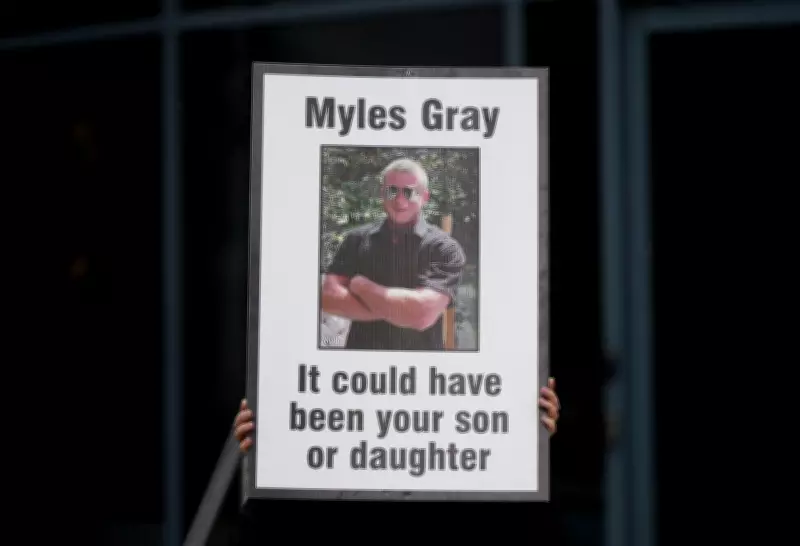
The coroner's inquest continues to examine the circumstances surrounding Gray's death, with further testimony expected from other medical experts and police officials involved in the incident. Family members and community advocates have attended proceedings, seeking answers about the events that led to the loss of their loved one.
This case has become part of broader conversations about police use of force, restraint techniques, and medical oversight during law enforcement encounters across Canada.
Implications for Police Procedures
The testimony raises important questions about police training and protocols regarding restraint of individuals exhibiting erratic behavior. Medical experts have long warned about the risks associated with certain restraint positions, particularly for individuals experiencing heightened physiological stress.
As the inquest continues, its findings may influence future police training and procedures regarding the management of similar situations to prevent similar tragic outcomes.