Ontario Government Urges Federal Legalization of Pepper Spray for Self-Defense
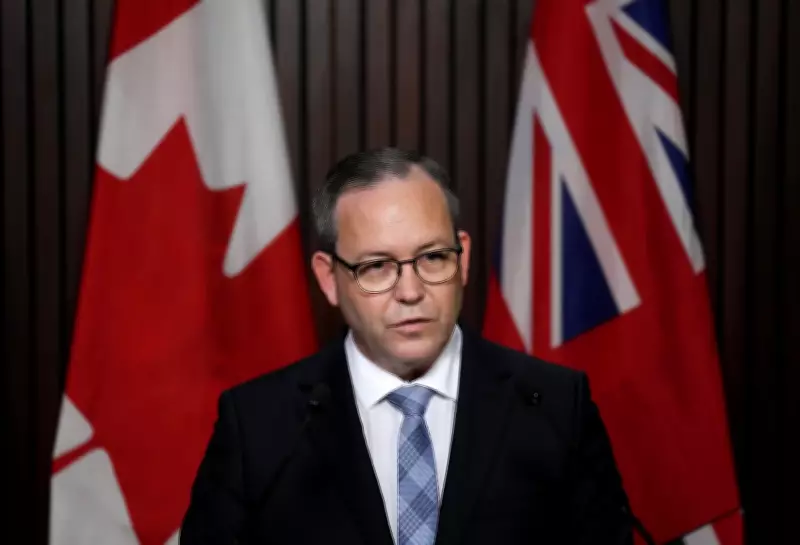
The Ontario government has formally called on the federal government to legalize pepper spray for self-defense purposes, marking a significant push to enhance personal safety measures across the province. This initiative, announced by Ontario Attorney General Doug Downey, aims to address growing concerns about public security and provide citizens with a non-lethal means of protection.
Rising Safety Concerns Prompt Action
In recent years, incidents of violence and crime have heightened awareness around personal safety, leading to increased demand for effective self-defense options. Pepper spray, a chemical compound that causes temporary blindness and respiratory distress, is widely regarded as a practical tool for deterring attackers without causing permanent harm. However, its possession and use remain illegal under Canadian federal law, except in limited circumstances such as for law enforcement or wildlife protection.
Attorney General Doug Downey emphasized the urgency of this change, stating that legalizing pepper spray would empower individuals, particularly vulnerable groups like women and seniors, to protect themselves in dangerous situations. "We believe that everyone has the right to feel safe in their communities," Downey said. "By allowing access to pepper spray, we can provide a straightforward solution that aligns with our commitment to public safety."

Federal Hurdles and Provincial Advocacy
The call for legalization faces challenges at the federal level, where pepper spray is classified as a prohibited weapon under the Criminal Code. Changing this status requires parliamentary approval, which could involve lengthy debates and revisions to existing legislation. The Ontario government's appeal is part of a broader strategy to lobby for amendments that would reclassify pepper spray as a restricted or permitted item for self-defense.
Supporters of the move argue that similar products, such as bear spray, are already legal for wildlife encounters, creating a precedent for regulated use. They point to other countries where pepper spray is legal and has been shown to reduce crime rates without increasing violence. Critics, however, raise concerns about potential misuse or accidents, advocating for strict regulations, including mandatory training and age restrictions, to mitigate risks.
Impact on Public Safety and Legal Framework
If successful, legalizing pepper spray could reshape Canada's self-defense landscape, offering an alternative to more extreme measures. Proponents highlight its effectiveness in de-escalating confrontations and providing a sense of security for those who may feel threatened. The Ontario government plans to collaborate with federal officials to develop a framework that balances accessibility with safety, potentially including:
- Licensing requirements for purchase and carry
- Educational programs on proper usage
- Clear guidelines on when and how it can be deployed
- Penalties for misuse or illegal distribution
This effort aligns with ongoing discussions about crime prevention and victim support in Ontario, where recent data shows a rise in certain types of offenses. By advocating for this change, the province aims to take a proactive stance on safety, encouraging a national conversation about modernizing self-defense laws to reflect contemporary needs.
As the debate unfolds, stakeholders from law enforcement, advocacy groups, and the public will likely weigh in on the implications of legalizing pepper spray. The outcome could set a precedent for other provinces and territories, influencing Canada's approach to personal protection tools in the years to come.