Inquest into Myles Gray's 2015 Police-Involved Death Resumes After Obscenity Delay
The coroner's inquest into the death of Myles Gray, a man who died following a confrontation with several Vancouver police officers in 2015, has resumed proceedings after a brief delay caused by an obscenity. The inquest, which began in Burnaby, British Columbia, aims to thoroughly examine the circumstances leading to Gray's tragic death nearly a decade ago.
Background of the Case
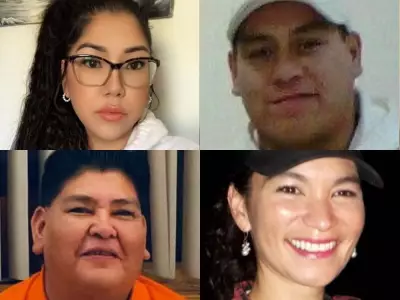
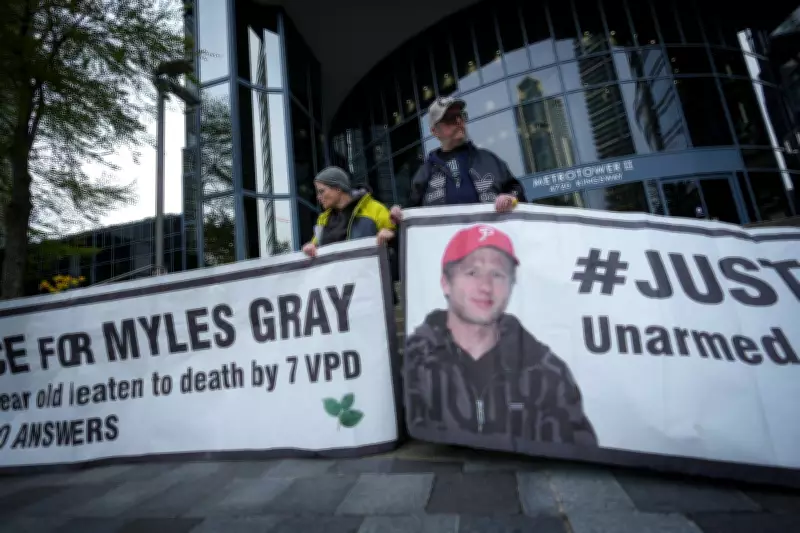
Myles Gray, a 33-year-old resident of Vancouver, died in August 2015 after an altercation with multiple police officers. The incident occurred when officers responded to a call about a disturbance in a residential area. According to initial reports, Gray was reportedly behaving erratically, leading to a physical confrontation that resulted in his death. The case has since sparked significant public outcry and calls for accountability, with protesters often holding banners featuring Gray's photograph at related events.
Recent Developments in the Inquest
The inquest, which is being conducted by the British Columbia Coroners Service, faced an unexpected interruption when an obscenity was uttered during the proceedings, leading to a temporary halt. This delay, while brief, highlighted the tense and emotional nature of the hearings. The resumption of the inquest marks a critical step forward in seeking answers for Gray's family and the community.

Coroner's inquests in British Columbia are judicial inquiries held to publicly review the facts surrounding a death, particularly when it involves police or other authorities. They do not assign criminal or civil liability but aim to determine the cause and manner of death, as well as make recommendations to prevent similar incidents in the future.
Community and Legal Implications
The death of Myles Gray has been a focal point for discussions on police conduct and accountability in Canada. Over the years, activists and community members have organized protests and vigils, demanding transparency and justice. The inquest is seen as a vital process to provide a detailed account of the events, which could influence broader policy changes regarding police interactions with civilians.
In previous years, similar cases have led to increased scrutiny of police training and protocols. The findings from this inquest may contribute to ongoing debates about reform in law enforcement practices, especially concerning the use of force and de-escalation techniques.
Looking Ahead
As the inquest continues, witnesses including police officers, medical experts, and community members are expected to testify. The proceedings will likely delve into the specifics of the confrontation, the medical cause of Gray's death, and the actions taken by authorities during and after the incident. The goal is to compile a comprehensive report that sheds light on the tragedy and offers constructive recommendations.
The resumption of the inquest underscores the importance of judicial processes in addressing complex and sensitive cases. For Gray's family and supporters, it represents a long-awaited opportunity for closure and clarity, while for the public, it serves as a reminder of the need for ongoing vigilance and advocacy in matters of justice and public safety.