FBI Records Missing from Epstein Files, Including Trump Accuser Interviews
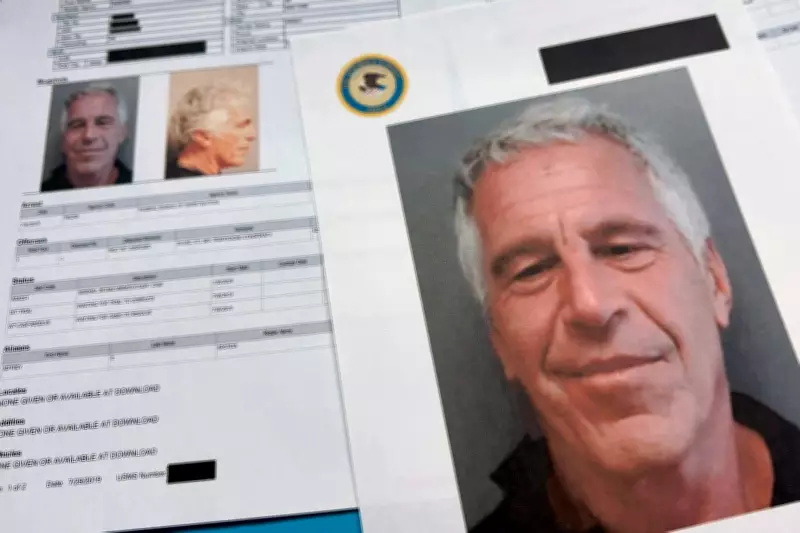
Dozens of FBI records appear to be missing from the recently released Jeffrey Epstein files, according to a review of the documents. The absence includes interviews with women who have accused former President Donald Trump of misconduct, raising questions about the completeness of the Department of Justice's disclosure.
Notable Gaps in Released Documents
The missing records were identified as part of a broader examination of the files made public by the U.S. Department of Justice. While thousands of pages have been released, critical FBI documents are unaccounted for, with sources indicating that interviews related to Trump accusers are among the gaps. This omission has sparked concerns among legal experts and transparency advocates about potential redactions or oversight in the release process.
Context of the Epstein Files Release
The Jeffrey Epstein files have been a focal point of public and media scrutiny since their initial release in early 2026. The documents pertain to the investigation into Epstein, a financier convicted of sex trafficking, and his associates. The Department of Justice has emphasized its commitment to transparency, but the missing FBI records suggest that the full scope of information may not yet be available to the public.

Implications for Ongoing Investigations
The absence of these records could impact ongoing legal and investigative efforts related to Epstein's network. Interviews with Trump accusers, if included, might provide additional context or evidence in cases involving high-profile individuals. Legal analysts note that such gaps could hinder efforts to hold accountable those involved in Epstein's activities, potentially affecting public trust in the justice system.
Reactions and Calls for Accountability
In response to the findings, advocacy groups and some lawmakers have called for a thorough review of the missing records. They argue that full disclosure is essential for justice and transparency, especially given the sensitive nature of the allegations involved. The Department of Justice has not yet commented on the specific missing documents, but it faces increasing pressure to address these discrepancies and ensure all relevant materials are made public.
As the situation develops, further scrutiny is expected, with potential implications for how such high-profile cases are handled in the future. The missing FBI records underscore the challenges in balancing transparency with legal and privacy considerations in complex investigations.