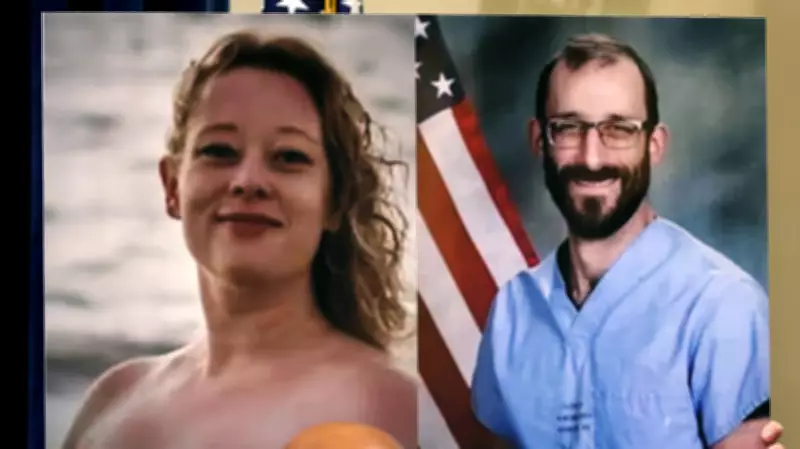
The state of Minnesota has initiated a legal battle against the Trump administration, filing a lawsuit to compel the release of investigative documents concerning the killings of Alex Pretti and Renee Good. These two Minneapolis residents were fatally shot earlier this year by federal agents during an aggressive immigration enforcement operation in the state.
Legal Action and Allegations
The lawsuit was formally submitted on Tuesday in the U.S. District Court for the District of Columbia. It asserts that high-level Trump administration officials deliberately excluded state authorities from evidence collection efforts related to the shootings. Furthermore, the suit alleges that federal officials actively obstructed any investigation into the death of Renee Good, raising serious questions about transparency and accountability.
Broader Context of Violence
In addition to the fatal incidents involving Pretti and Good, the legal filing references the nonfatal shooting of Julio Cesar Sosa-Celis, another Minnesota resident, by federal agents. The lawsuit describes these shootings as part of a pattern of violent actions committed during the administration's immigration surge in Minnesota.

"These shootings are just three examples of the violent actions committed by federal agents in Minnesota during the Surge," the lawsuit states. "Federal agents also carried out illegal stops, sweeps, arrests, and dangerous raids in sensitive public spaces. The Surge created widespread fear among Minnesota residents, both citizens and noncitizens."
Key Parties Involved
The plaintiffs in this case include Minnesota Attorney General Keith Ellison, Hennepin County Attorney Mary Moriarty, and Minnesota Bureau of Criminal Apprehension Superintendent Drew Evans. They are seeking justice and full disclosure from the federal government.
The defendants named in the lawsuit are the Justice Department, the Department of Homeland Security, Attorney General Pam Bondi, and former Homeland Security Secretary Kristi Noem. As of the filing, requests for comment from the DOJ and DHS have not been immediately returned, leaving the administration's response unclear.
Implications and Next Steps
This legal action highlights ongoing tensions between state and federal authorities over immigration enforcement practices. It underscores concerns about civil liberties and the rule of law, as Minnesota officials push for accountability in cases that have deeply affected local communities. The outcome of this lawsuit could set a precedent for how such incidents are investigated and disclosed in the future.