Alek Minassian Appeals Convictions, Citing Controversial Psychiatrist Evidence
In a development that has sparked significant legal and public interest, Toronto mass killer Alek Minassian is appealing his ten murder convictions, with his legal team banking on new controversy surrounding a key Crown witness to secure a fresh trial. The motion is set to be heard by Ontario's highest court, where Minassian is seeking "fresh evidence" from prosecutors concerning Dr. Scott Woodside, a prominent forensic psychiatrist from the Centre for Addiction and Mental Health (CAMH).
The Role of Dr. Scott Woodside in the Original Trial
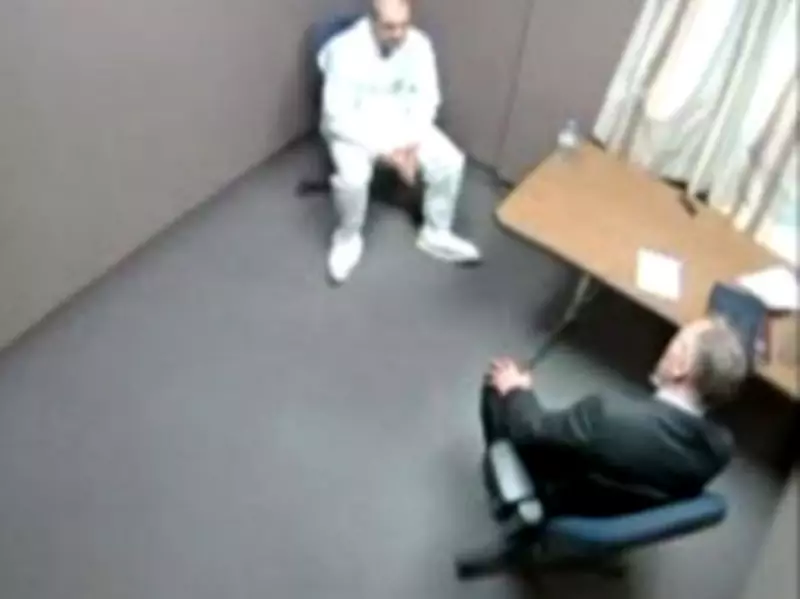
During the initial trial, Dr. Woodside testified that despite Minassian's autism spectrum disorder, the incel killer understood the moral wrongfulness of his actions when he deliberately drove a rented van down a Yonge Street sidewalk in April 2018, aiming to kill as many women as possible. Superior Court Justice Anne Molloy accepted Woodside's expert opinion, concluding that Minassian could not be found not criminally responsible (NCR) due to his autism. However, Justice Molloy did express criticism regarding the psychiatrist's lack of detailed note-taking during his interview with Minassian.
Subsequent Legal Challenges to Woodside's Credibility
Since his 2021 testimony in the Minassian case, Dr. Woodside has faced mounting scrutiny from the courts. In a 2023 decision, a judge challenged his reliability as an expert witness, revealing that he had copied and pasted portions of a report from an unrelated offender's case while supporting the Crown's motion to designate Caleb Nettleton as a dangerous offender. The court found that Woodside's report contained significant errors, including incorrect diagnoses, false attributions of gang associations, and mischaracterizations of the offender's risk of reoffending.

When confronted with these glaring inaccuracies, Woodside attempted to justify his actions, leading the presiding judge to reject his expert opinion. The judge noted that Woodside was "unable or unwilling to fulfill his duty as an expert as a result of professional credibility bias." This was followed by a 2024 Court of Appeal ruling that raised concerning red flags about Woodside's testimony in the Nettleton case, describing his approach as "careless" and unreliable. The appellate court ordered a new hearing for another dangerous offender, Richard Hason, for whom Woodside had recommended an indeterminate sentence.
Minassian's Appeal and Prosecutorial Response
In light of these developments, Minassian's lawyers are seeking disclosure of a directive issued by the Ontario Ministry of the Attorney General to all prosecutors regarding Woodside's use as a forensic psychiatrist. They argue that this information is crucial to their appeal, which contends that Justice Molloy erred in finding Woodside capable of fulfilling his expert duties. The prosecutors, however, maintain that Minassian's team has access to all relevant court decisions and that the application "leads to a dead end." They confirmed a case-by-case review of Woodside's cases but reported no additional concerns.
Prosecutors further argue that even if Woodside's evidence were undermined, it would not alter the NCR outcome, as one defence expert agreed with Woodside's assessment of criminal responsibility, and the other was entirely rejected by the judge. Minassian, who was sentenced in 2022 to life imprisonment without parole for 25 years on ten counts of murder and sixteen of attempted murder, remains unrepentant, with Justice Molloy noting his desire for infamy through violent acts.
Broader Implications for the Justice System
This case raises profound questions about the reliance on expert witnesses in high-stakes criminal trials and the potential for procedural errors to impact verdicts. As the Ontario Court of Appeal prepares to hear the motion, the outcome could set a precedent for how courts handle challenges to expert credibility in future proceedings. The public and legal communities alike are watching closely, with many expressing outrage at the possibility that a "careless" forensic psychiatrist could pave the way for a new trial for a convicted mass killer.