U.S. Mass Shootings Surge to 65 in 2024, Fueling Calls for Sustained Action
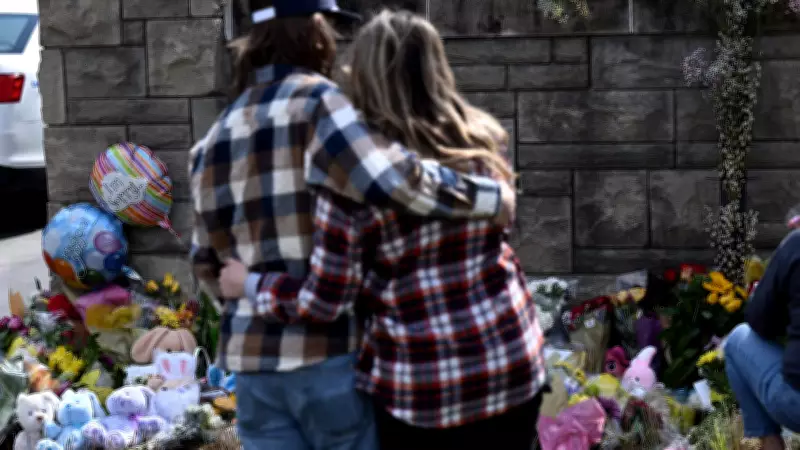
As of March 12, the United States has witnessed 65 mass shootings in 2024, according to data from the Gun Violence Archive. These tragic incidents span from a shooting at Old Dominion University to a youth hockey game in Rhode Island and a deadly bar attack in Austin that left three dead and numerous injured. Countless other shootings receive minimal public attention, underscoring a devastating norm in American society.
Shannon Watts, founder of the grassroots organization Moms Demand Action, emphasizes that the U.S. has a "26 times higher gun homicide rate than any peer nation." The Gun Violence Archive defines a mass shooting as an event with at least four victims injured or killed, excluding the shooter. This statistic becomes even more infuriating given that many politicians, often influenced by groups like the National Rifle Association, fail to support sensible gun safety laws, offering only thoughts and prayers instead.
This cycle of despair can make the public feel helpless, but advocates warn that such feelings hinder progress. Below, gun safety experts share actionable steps to drive change and protect mental well-being.

Channel Anger into Year-Round Advocacy
Adam Garber, executive director of CeaseFire PA, urges individuals to harness their frustration and fear. "Hold on to it, as hard as it is, and channel it into pushing for lifesaving laws at the state level right now," he advises. While donations and calls to representatives spike after shootings, maintaining momentum is crucial. Legislators frequently hear from a vocal minority of gun extremists but need consistent pressure from constituents over months and years to shift policies.
Watts notes that systemic change is incremental but revolutionary. "You also have to commit to the unglamorous heavy lifting of grassroots activism," she says. Even small actions, like weekly calls or emails, accumulate to make a difference.
Understand the Full Scope of Gun Violence
Mass shootings, though highly publicized, represent just 1% of U.S. gun violence. Everytown for Gun Safety research indicates 120 Americans are killed daily by guns, with 200 more injured. Watts points out that everyday gun violence—including homicides, suicides, and domestic incidents—disproportionately affects Black and brown communities and often involves handguns.
Get Involved Locally and Nationally
Since gun laws vary by state, engaging with local organizations is key. Garber recommends connecting with statewide groups like those listed on the States United to Prevent Gun Violence website. National organizations such as Moms Demand Action, Brady: United Against Gun Violence, and Giffords also have local chapters. To join Moms Demand Action, text READY to 64433 for guidance.
Community violence intervention groups, such as United Playaz in San Francisco or the Cleveland Peacemakers Alliance, work to prevent retaliatory violence and need support. Donations, whether one-time or recurring, sustain these efforts, but involvement shouldn't stop there.
Combat Misinformation and Advocate Politically
Nina Vinik of Project Unloaded stresses that guns increase risks, citing higher rates of suicide and homicide in homes with firearms. Watts adds that states with weaker gun laws experience more violence. Contacting local representatives via tools like Find My Legislator to advocate for measures like safe storage and extreme-risk protection orders is vital.
Voting for candidates who support gun safety is critical, especially with upcoming elections. "We have to elect lawmakers who will act on this issue," Watts asserts.
Prioritize Mental Health and Reject Hopelessness
Dr. Alexa Mieses Malchuk explains that gun violence trauma can trigger fear, anxiety, and anger. Coping strategies like limiting news consumption, seeking support, and maintaining healthy habits are essential. If emotions disrupt daily life, consulting a mental health professional is advised.
Watts warns against hopelessness, which fosters cynicism and inaction—exactly what the gun lobby desires. Garber echoes that feeling helpless surrenders power; choosing hope empowers citizens to save lives through sustained action.