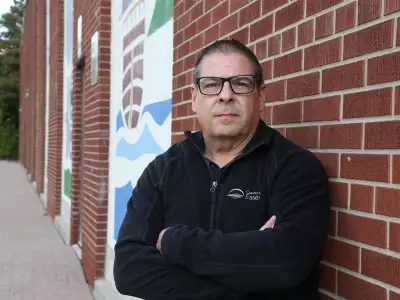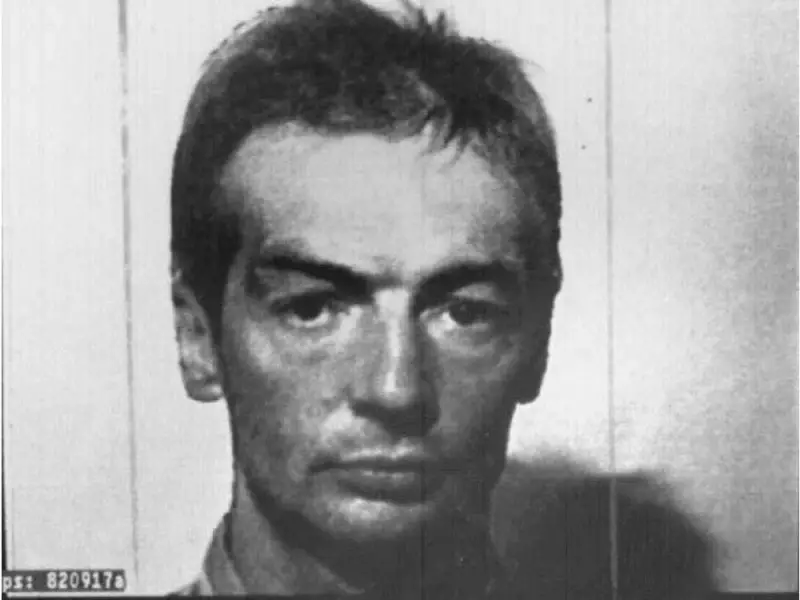
After more than three decades behind bars, a Quebec man will discover on Friday whether he can be released on bail while federal authorities examine his murder convictions for potential miscarriages of justice.
A Long-Awaited Hearing for Possible Release
Daniel Jolivet, 68, has spent 33 years in prison for the 1992 murders of four people in Brossard. He has consistently maintained his innocence. On Wednesday, Quebec Superior Court Justice Lyne Décarie heard arguments in Montreal regarding Jolivet's request for release pending a federal review of his case.
The hearing took a significant turn when a lawyer representing the Crown prosecution stated that the release plan proposed by Jolivet's defence team was acceptable. The prosecution further indicated it would not present any evidence or witnesses to oppose the bail request.

The Case and the New Investigation
The federal Justice Department's criminal conviction review group decided to investigate Jolivet's case on October 23. This decision came just one day after the Parole Board of Canada denied him full parole for the latest time on October 22. Although Jolivet has been eligible for full parole since 2017, his requests have been rejected on multiple occasions.
This federal review follows a conclusion from the Quebec Crown prosecutor's office in June that Jolivet may not have received a fair trial in the original proceedings.
Revisiting the 1992 Brossard Murders
The case stems from a grim discovery on November 10, 1992. The bodies of Catherine Morin, 20, Nathalie Beauregard, 23, and François Leblanc, 32, were found inside a condo on St-Laurent Blvd. in Brossard by Leblanc's sister. Later that same day, the body of a fourth victim, Denis Lemieux, 49, was discovered in another unit within the same residential building. All four victims had been shot with the same firearm, which was never recovered by police.
The original case against Jolivet relied heavily on the testimony of a police informant. This individual told authorities he was with Jolivet and the two male victims prior to the killings, alleging the men were involved in a cocaine transaction. The informant also claimed he met Jolivet at a restaurant after the murders, where Jolivet allegedly confessed to the homicides. According to this testimony, Jolivet said the two women were killed because they witnessed what happened to Leblanc.
New Evidence Challenges Original Testimony
Nicolas St-Jacques, a lawyer with Projet Innocence Québec, which has investigated Jolivet's case for years, presented new arguments in court. He stated that the group has uncovered multiple pieces of evidence that were never presented to the jury that convicted Jolivet.
According to St-Jacques, this new evidence discredits the informant's testimony and suggests a different man was present when the victims were killed. Furthermore, other evidence indicates Jolivet was not at the restaurant where the alleged confession took place.
"It is impossible that he was at the restaurant (the morning after the murders)," St-Jacques asserted. He added that evidence gathered by the Sûreté du Québec also calls into question the reliability of a waitress who claimed she saw Jolivet at the restaurant on the day in question.
St-Jacques told the court that if Jolivet's original defence team had access to this evidence during his trial, it could have altered the legal strategy, which included Jolivet's decision not to testify in his own defence.
The court's decision on whether Daniel Jolivet will be released pending the federal review is expected on Friday.