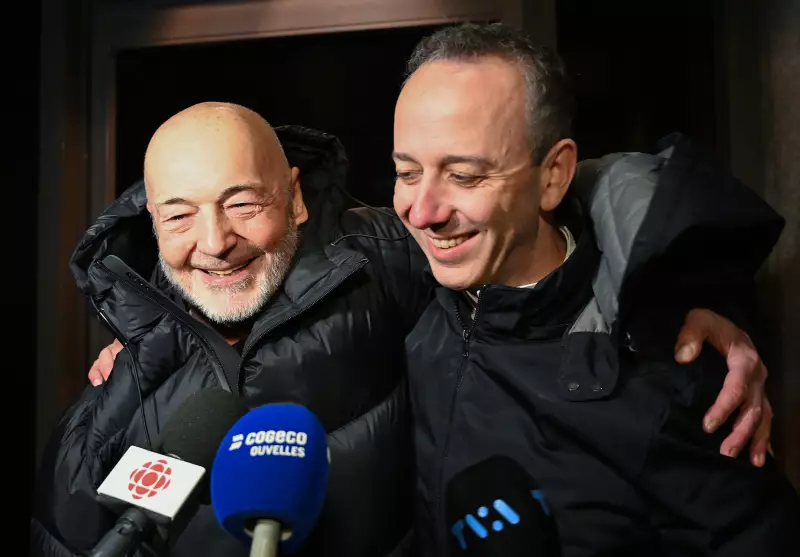
After spending three decades incarcerated for a crime he maintains he did not commit, Daniel Jolivet is navigating the complex reality of freedom. His conviction was recently overturned, leading to his release and the daunting task of rebuilding a life in a world that has changed dramatically since the 1990s.
A Life Interrupted and Restored
Daniel Jolivet's story is one of profound loss and tentative hope. He was imprisoned for 30 years before the justice system re-examined his case and overturned the conviction. The details surrounding the original trial and the evidence that led to his release have not been fully disclosed, but the outcome has granted him a long-awaited chance at life beyond prison walls.
In an interview with CTV News journalist Genevieve Beauchemin, Jolivet opened up about the surreal experience of re-entering society. The interview, published on January 16, 2026, captures his first steps into a new existence, marked by both simple joys and significant challenges.

The Daunting Challenge of Reintegration
Adjusting to life after three decades of incarceration presents immense hurdles. Jolivet must acclimate to technological advancements, shifting social norms, and the basic logistics of independent living that most take for granted. The psychological impact of losing so many years, coupled with the stress of proving his innocence, adds layers of complexity to his recovery.
His case joins others in highlighting the potential for miscarriages of justice within the legal system. The process of overturning a conviction is lengthy and arduous, often requiring new evidence, advanced forensic techniques, or persistent legal advocacy.
A Symbol of Resilience and Systemic Scrutiny
While Daniel Jolivet focuses on personal healing and constructing a future, his experience inevitably prompts broader questions. His story forces a critical look at the mechanisms for reviewing potential wrongful convictions and the support available for individuals upon their release.
The lack of comprehensive reintegration programs for those who have been wrongfully imprisoned can leave them to face the world without a safety net. Jolivet's journey underscores the need for systemic changes that address not only the correction of judicial errors but also the human cost paid by those who survive them.
As he settles into a new rhythm, his resilience serves as a powerful testament to the human spirit's capacity to seek normalcy after tragedy. His ongoing adjustment is a daily negotiation between the past he endured and the future he is now free to build.