California Philosophy Lecturer Acquitted in Tear Gas Incident
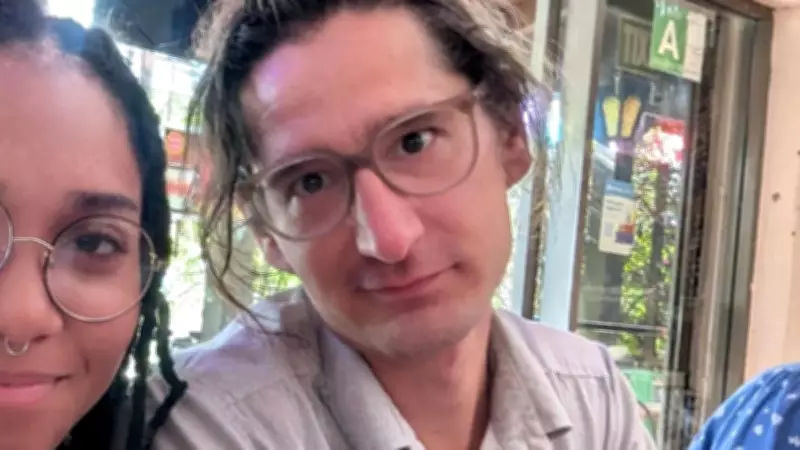
Jonathan Caravello, a 38-year-old philosophy lecturer at California State University Channel Islands, has been found not guilty by a jury on Thursday after facing up to 20 years in prison. He was charged with assaulting federal officers for removing a tear gas canister that a U.S. Border Patrol agent threw into a crowd of protesters and observers during an immigration raid.
Details of the Incident and Trial
The case originated from a July 10 immigration raid at Glass House Farms, a cannabis farm in Camarillo, California. Federal agents arrested at least 361 immigrants across two facilities, and one worker, 56-year-old Jaime Alanis García, died days later after falling from a 30-foot roof while hiding from agents. Caravello, an active member of his labor and tenants union, was participating in community patrols to monitor immigration raids when he heard about the Glass House operation.
During the protest, federal agents blocked the road to the facility, and a crowd gathered to seek information about loved ones trapped inside. Over several hours, agents deployed rubber bullets, pepper spray, and tear gas into the crowd, which included children and elderly individuals. Around 12:50 p.m., a Border Patrol agent threw a tear gas canister that landed near Caravello. After an unsuccessful attempt to kick it away, he picked it up and threw it in a high arc over the heads of the agents, causing no injuries.

Prosecution and Defense Arguments
Prosecutors argued that Caravello intended to harm federal agents, although they could not identify any specific individual at risk. By the government's admission, no agent was hit or harmed by the canister. Caravello's attorney, Knut Johnson, presented evidence that Border Patrol agents used tear gas indiscriminately against peaceful protesters and that Caravello acted in self-defense to protect the crowd.
Body-camera footage contradicted the government's depiction of events, showing agents laughing over their use of tear gas and celebrating canisters as "fucking awesome." The footage also revealed that Caravello aimed the canister over and to the side of agents, not directly at them. Prosecutors had claimed his overhand throw was dangerous, yet the footage showed a federal agent using a similar throw.
Jury Selection and Community Response
The jury selection process highlighted strong opposition to federal anti-immigration policies in Los Angeles County, which is nearly 50% Hispanic or Latino. Out of over 60 potential jurors, about 20 had participated in protests, and several expressed personal risks from immigration agents or had family members deported. At least 10 potential jurors voiced concerns about being impartial due to their opinions on Border Patrol and the federal government.
Throughout the trial, the courtroom was filled with community supporters, including current and former students, colleagues from CSU Channel Islands, and members of Caravello's labor union. Witnesses testified to the aggressive and unprofessional behavior of federal agents, with one describing severe skin burns from tear gas exposure.
Broader Implications
This verdict represents a setback for the Trump administration, which has faced repeated failures in securing convictions against protesters of mass deportation operations. The case underscores the contentious nature of immigration enforcement tactics and the legal challenges faced by those opposing them. Caravello's acquittal reinforces the ability of juries to hold the government accountable in democratic processes.