Windsor Judge Voices Doubts Over Crown Witness Testimony in Mass Shooting Case
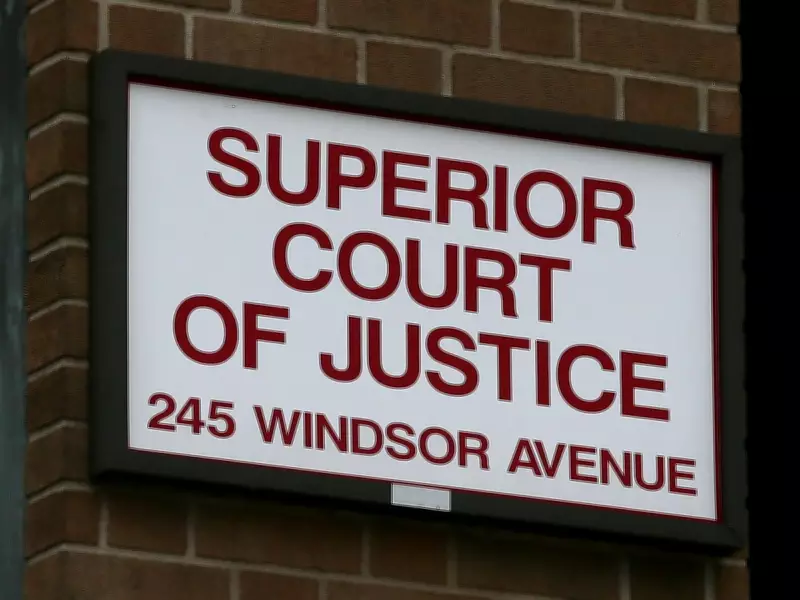
A Superior Court judge in Windsor has delivered a scathing assessment of the prosecution's key witnesses in a high-profile attempted murder trial stemming from a 2022 mass shooting outside a local bowling alley.
Judge Questions Witness Credibility
Superior Court Justice Bruce Thomas expressed significant concerns about the testimony provided by all three primary Crown witnesses during the trial of Fernando Ratcliffe. "They can't give me the truth anywhere ... in major parts of their evidence," Justice Thomas stated Thursday at the conclusion of proceedings.
The judge specifically criticized what he characterized as evasive testimony from witnesses who offered various excuses for their inability to provide clear accounts of events. "They hedge: 'I was using cocaine. I was hit in the head. I can't remember anything that happened,'" Thomas recounted, expressing skepticism about the witnesses' explanations.

Background of the Case
Fernando Ratcliffe, now 26 years old, faces five counts of attempted murder for allegedly firing a gun from a vehicle into a crowd outside Super Bowl Lanes on April 9, 2022. The incident occurred shortly after 1 a.m. and resulted in injuries to five individuals on Windsor's east side.
All three Crown witnesses referenced by Justice Thomas were in the same vehicle as Ratcliffe at the time of the shooting. The witnesses include Joshua Fryer, who was driving the pickup truck; Fryer's girlfriend; and Andrew Meloche. During the trial that began Monday, all three witnesses identified Ratcliffe as the gunman.
Conflicting Accounts and Defense Arguments
The defense presented a contradictory narrative, arguing that Fryer—not Ratcliffe—was actually the shooter. Defense lawyer Devin Bains suggested the witnesses had colluded in their testimony to shift blame onto Ratcliffe, noting that Fryer was in a relationship with the teenage girl witness, and Fryer and Meloche were stepbrothers, while Ratcliffe was merely a friend of Meloche and the least connected member of the group.
Deputy Crown attorney Bryan Pillon acknowledged that some witness testimony was problematic but maintained that Fryer "presented for the most part as a credible witness." Pillon noted that Fryer sometimes initially denied involvement or had difficulty recalling events but "when prompted would readily admit to the details, even the ones that would make him look very, very bad."
Prosecution's Key Argument
Most significantly, the prosecutor emphasized that Fryer identified Ratcliffe as the shooter through "process of elimination" rather than claiming to have directly witnessed the shooting. "It would be more convenient for him to say ... that 'I saw Mr. Ratcliffe do it,'" Pillon argued. "One explanation for that is because it's the less convenient truth."
Justice Thomas remained unconvinced by the witnesses' explanations for their actions following the shooting, including claims that they burned their clothes because they couldn't wash them rather than to hide evidence from police. "Who in the world is going to believe that?" the judge questioned rhetorically.
The trial has highlighted significant challenges in prosecuting cases where key witnesses provide inconsistent or questionable testimony, particularly when those witnesses were themselves involved in the events under investigation.