A Wisconsin judge has been convicted on a felony obstruction charge for actions taken to help a Mexican immigrant evade federal immigration authorities. The verdict, delivered on Thursday, represents a notable success for the Trump administration's stringent immigration enforcement agenda.
Verdict and Charges in High-Profile Case
A federal jury found Milwaukee County Circuit Judge Hannah Dugan guilty of obstruction after six hours of deliberation. The panel acquitted her on a separate misdemeanor charge of concealing an individual to prevent arrest. Dugan now faces a potential prison sentence of up to five years for the obstruction conviction.
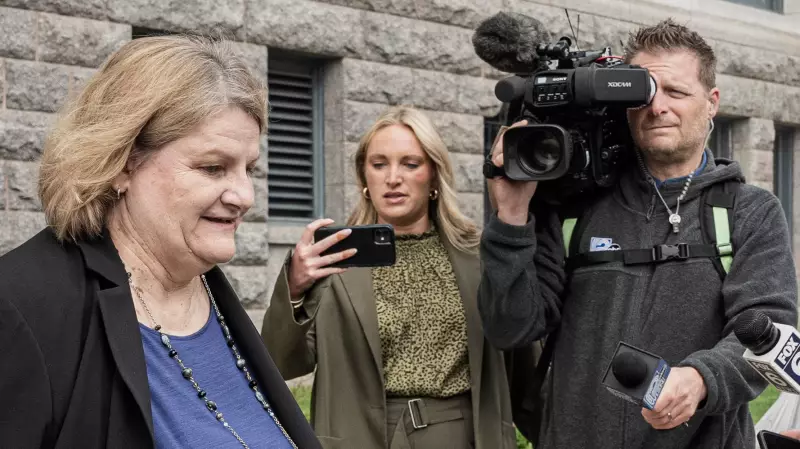
Following the verdict, Judge Dugan and her legal team exited the courtroom swiftly, avoiding questions from the press by retreating into a private conference room.

The Courthouse Confrontation and Escape Attempt
The case stems from an incident on April 18, as detailed in FBI affidavits and grand jury indictments. Immigration and Customs Enforcement (ICE) agents arrived at the Milwaukee County courthouse that day. Their target was 31-year-old Eduardo Flores-Ruiz, who had reentered the United States illegally and was scheduled for a hearing in a state battery case before Judge Dugan.
Upon learning that agents were waiting in the corridor, Dugan left her courtroom to confront them. She incorrectly informed the agents that their administrative warrant was insufficient for an arrest and directed them to the chief judge's office.
While the agents were away, Dugan moved Flores-Ruiz's case to the top of her docket. She advised his attorney that future hearings could be conducted via Zoom and then escorted both the attorney and Flores-Ruiz out of the courtroom through a private jury door.
Arrest, Deportation, and Broader Political Implications
The escape plan was short-lived. Agents spotted Flores-Ruiz in a hallway, pursued him outside, and arrested him after a brief foot chase. The U.S. Department of Homeland Security confirmed his deportation in November.
The trial inflamed existing political divisions over U.S. immigration policy. The Trump administration labeled Dugan an activist judge, while her supporters and some Democrats argued she was being made an example to intimidate other judges who might question immigration enforcement tactics.
Prosecutors presented evidence, including courtroom audio recordings, to prove intent. In one recording, Dugan is heard telling her court reporter she would "take the heat" for using the back exit. The prosecution argued this showed she knowingly created a diversion to allow Flores-Ruiz to flee.
Dugan's defense team contended she was following established courthouse protocols, which required court employees to report the presence of immigration agents to supervisors. They maintained she did not intentionally obstruct the arrest team.