

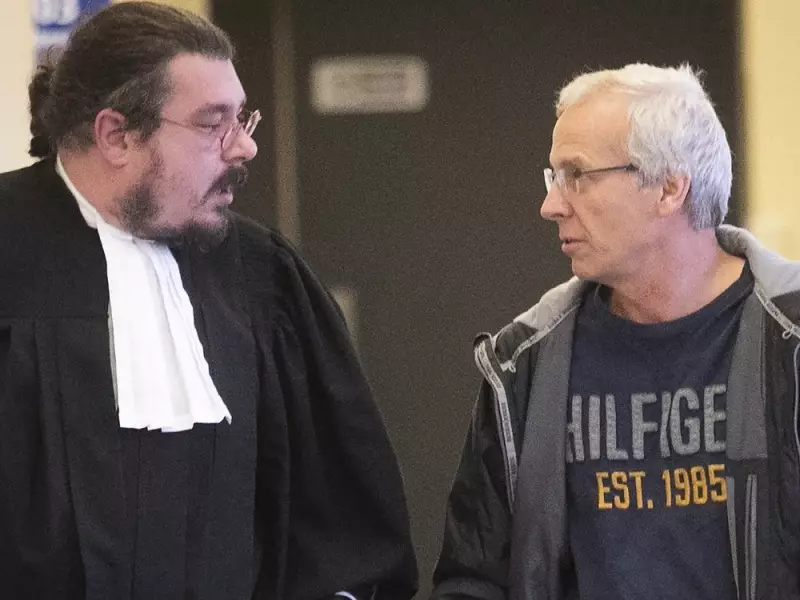
The Parole Board of Canada has refused to grant early release to Normand Dubé, the former helicopter pilot infamous for orchestrating a costly attack on Hydro-Québec's power infrastructure. In a decision rendered last week, the board denied both day parole and full parole for Dubé, who is serving a 15-year sentence.
A Costly Act of Vengeance
The core of Dubé's convictions stems from a deliberate act of sabotage in 2014. Using a small airplane, he short-circuited two major Hydro-Québec power lines near Mirabel, an attack that resulted in nearly $30 million in damages to the provincial utility's grid. This was not an isolated incident but part of a protracted and bitter dispute Dubé had with Hydro-Québec.
Initially sentenced to seven years in prison following his conviction on September 13, 2018, Dubé saw his term more than doubled. His sentence was later increased to 15 years after he was found guilty of additional, related crimes. Subsequent court proceedings revealed a man fixated on revenge against those who opposed him.

The 'Pilot to the Stars' Behind Bars
Before his arrest, Normand Dubé was known in certain circles as "the pilot to the stars." He operated a helicopter company that was frequently hired to transport celebrities and high-profile clients across Quebec. That reputation stands in stark contrast to the figure described in parole documents, which outline a person with unresolved violent tendencies.
In its written decision, the Parole Board emphasized that Dubé has not adequately addressed the root causes of his actions. "Your case management team... considers it essential that you address your issues (conflict resolution methods, emotional management, relationships, and thoughts and attitudes that support the use of violence) before being granted parole," the board stated.
An Unacceptable Risk to the Community
The board's conclusion was unequivocal. It found that "the risk you pose is unacceptable in the community at this stage of your sentence." This assessment led directly to the recommendation to deny any form of conditional release at this time.
The denial means Dubé will remain incarcerated as he continues to serve his lengthy sentence. The board's ruling underscores its primary mandate to protect public safety, determining that the pilot's potential for violence and lack of rehabilitation present too great a threat for reintegration into society.






