Florida Carries Out Second Execution of the Year for Grocery Store Owner Murder
A man convicted of murdering a grocery store owner was executed by the state of Florida on February 24, 2026. This marks the second execution carried out in Florida this year, reigniting discussions about capital punishment in the state.
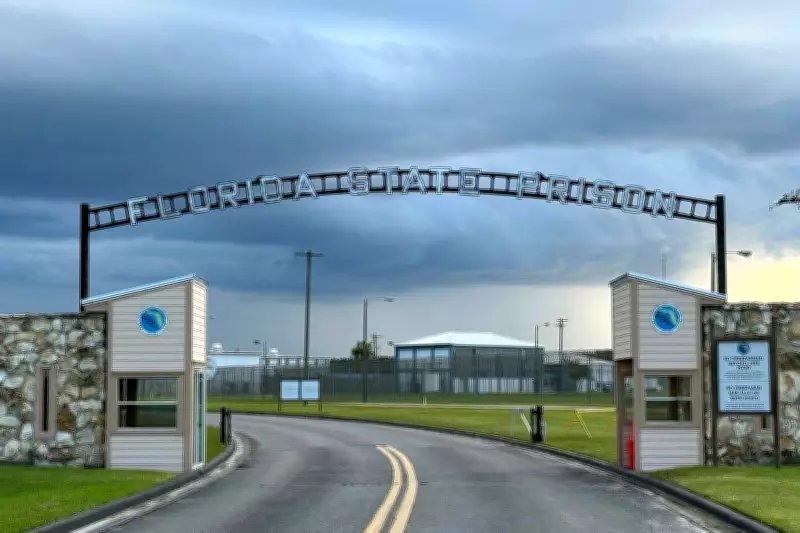
The execution took place at Florida State Prison in Starke, a facility that has been the site of numerous state-sanctioned deaths. The individual was put to death for the fatal shooting of a grocery store owner during a robbery, a crime that shocked the local community and led to a lengthy legal process.
Details of the Crime and Legal Proceedings
The convicted man was found guilty of first-degree murder after evidence showed he entered the grocery store with the intent to rob it. During the incident, he shot and killed the store owner, who was working at the time. The case involved multiple appeals over the years, with defense attorneys arguing various points, including claims about mental health and trial procedures.

However, courts upheld the conviction and death sentence, leading to the execution. Florida has a history of capital punishment, with this case adding to the list of executions under current state laws.
Broader Context of Capital Punishment in Florida
This execution is the second in Florida in 2026, following another earlier in the year. The state remains one of the most active in carrying out death sentences in the United States. Proponents argue that it serves justice for heinous crimes, while opponents cite concerns about wrongful convictions, racial disparities, and ethical issues.
Recent debates have focused on the methods and frequency of executions, with some advocacy groups calling for reforms or abolition. Florida's use of the death penalty continues to be a polarizing topic, often highlighted in national discussions about criminal justice.
Impact and Reactions
The execution has drawn mixed reactions from the public and officials. Family members of the victim expressed relief and a sense of closure, stating that justice has been served after years of pain. Meanwhile, anti-death penalty activists protested outside the prison, holding vigils and calling for an end to capital punishment.
Legal experts note that this case underscores the ongoing legal and moral complexities surrounding the death penalty. As Florida proceeds with executions, it remains a focal point in the broader national conversation about crime, punishment, and human rights.
With this execution, Florida reinforces its stance on capital punishment, while critics continue to push for change. The outcome is likely to influence future cases and policy discussions in the state and beyond.