Federal Agents Accused of Deception in Early Morning Arrest of Columbia University Student
In a controversial incident that has ignited protests and drawn sharp criticism from university officials and political leaders, federal agents from the Department of Homeland Security allegedly lied to gain entry to a Columbia University residential building early Thursday morning to arrest a student. The arrest, which occurred around 6:30 a.m., has raised significant concerns about law enforcement procedures and the rights of individuals on academic campuses.
Details of the Arrest and Allegations of Misrepresentation
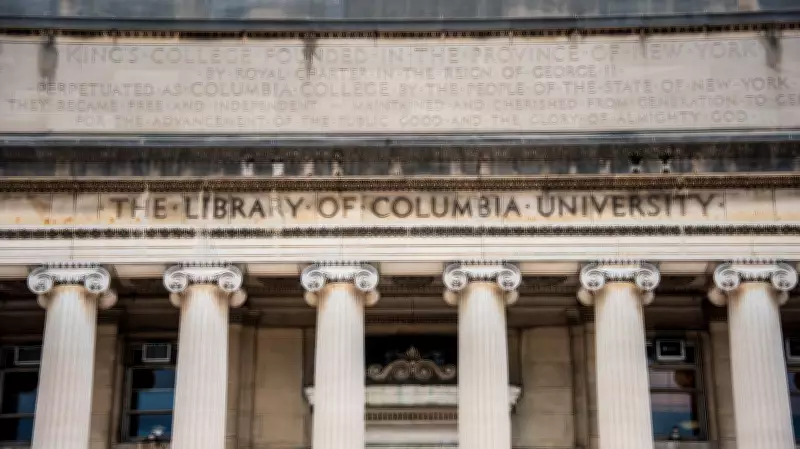
According to Columbia University President Claire Shipman, federal agents entered a dormitory on the New York City campus under false pretenses. Shipman stated in an official release that the agents made misrepresentations to access the building, claiming they were searching for a 'missing person.' This tactic, she emphasized, allowed them to bypass proper legal channels, as an administrative warrant is insufficient for such entries into private university areas.
New York Governor Kathy Hochul, a Democrat, responded forcefully to the news, accusing ICE agents of dishonesty. "Let's be clear about what happened: ICE agents didn't have the proper warrant, so they lied to gain access to a student's private residence," Hochul posted on social media platform X. Her comments underscore the political and legal tensions surrounding immigration enforcement actions in educational settings.

Official Statements and Legal Implications
The Department of Homeland Security confirmed to media outlets that ICE had taken the student, identified as Elmina Aghayeva from Azerbaijan, into custody. DHS noted that Aghayeva's student visa was terminated in 2016 during the Obama administration for failing to attend classes, and she has no pending appeals or applications with the agency. However, the statement did not address the specific allegation that agents lied to enter the building, leaving a gap in the official narrative that has fueled public outrage.
President Shipman reiterated the university's stance on law enforcement access, stating that all agents must possess a judicial warrant or subpoena to enter non-public areas, including housing and classrooms. "An administrative warrant is not sufficient," she declared, highlighting the institution's commitment to protecting student privacy and legal rights. The university is actively gathering more information, reaching out to the student's family, and providing legal support in response to the incident.
Community Response and Ongoing Developments
By noon on Thursday, protesters had begun to assemble outside Columbia's gates, demanding the release of the arrested student and condemning the agents' actions. The gathering reflects broader community concerns about immigration policies and the treatment of individuals on college campuses. As this story continues to develop, updates are expected regarding legal proceedings and potential policy reviews.
This incident underscores the complex interplay between federal immigration enforcement and academic institutions, raising questions about transparency, accountability, and the protection of civil liberties in sensitive environments.